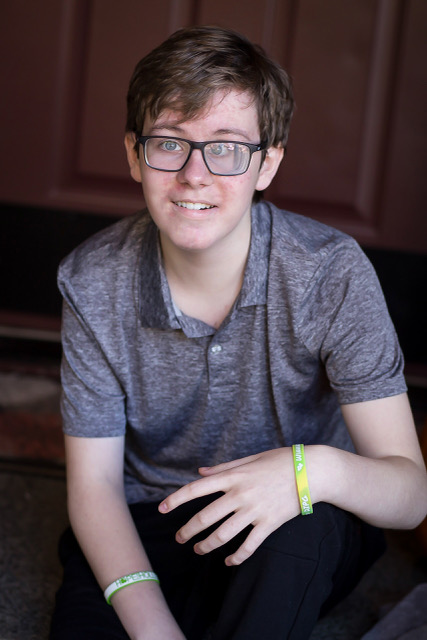
 Two years ago today, on December 22nd, 2015, 15-year-old Camron Cozzi and his family received life-altering news: Camron had an inoperable brainstem tumor called DIPG.
Cam had suffered a concussion during a lacrosse game, and as his parents monitored his symptoms, they noticed he was getting progressively worse: double vision, stumbling, walking into things, and frequent vomiting. When DIPG was identified as the cause shortly thereafter, doctors told the family that the tumor would claim Camron’s life within 2 months if he didn’t get radiation, or in 9-12 months with radiation.
 Cam is the first child I’ve written about here who I haven’t met in person. We just missed him last summer when we went to Mexico to get to know 11 other DIPG fighters. I got closer in November, when we were 20 feet from each other, separated by the door to his room at Hospital Angeles. My cousin’s daughter, Kira, had been admitted to the same hospital when I ran into Camron’s father, Paul. He asked if I’d like to say hi to Cam. Under the circumstances and knowing that I couldn’t be fully present given what was going on with my family, I declined.
Camron’s been on my mind ever since. His parents have helped me get to know him a little bit better, as I hope this story will help you.
By all counts, Camron’s a typical teenager: he loves candy, sleeping, his dog Jagger, and watching TV. One of his favorite channels is HGTV, which inspired his dream to become a tiny home architect. Coming from Bonney Lake, Washington, Cam’s a hardcore Seahawks fan, and he’s also an avid lacrosse player.


Although he’s not been to school in a while, Camron has always excelled academically. His parents describe him as stubborn, funny, brave, witty, honest, loyal, caring, and a warrior.
He’s also incredibly social. Camron’s mom Cyndi explains, “He used to call me from one friend’s house to ask if he could go to another friend’s house once he had to leave the first friend. I used to get so embarrassed that he did that because I didn’t want him to offend his friends. I also used to worry why he didn’t want to be with us—his family. He has always loved being with friends, and I miss that for him.”
Even though Cam might have wanted to spend most of his free time with peers, the Cozzi’s are close. Cyndi recalls when the doctor first told Cam about his tumor. “He asked calmly if there was a pill to make him die faster because he didn’t want mom and dad to have to go through any of it.”
Despite Cam’s initial reaction to his diagnosis, they opted for radiation, which began right after Christmas and continued until February 9th, 2016. About halfway through his sessions, Cam was ready to fight.


After completing radiation, Camron and his family took a Make-A-Wish cruise, and then headed to Cologne, Germany, where he underwent immunotherapy from April through November of last year.
“Early on you would think Camron was going to win the battle,” Cyndi says, since his first symptoms weren’t too bad, and radiation helped improve his balance. Camron also never had to take steroids to control his symptoms, so he didn’t gain the weight or have other steroid-related side effects that a lot of kids with DIPG do. And even though Cam had to give up playing lacrosse, he was still able to help out coaching younger teams in their town.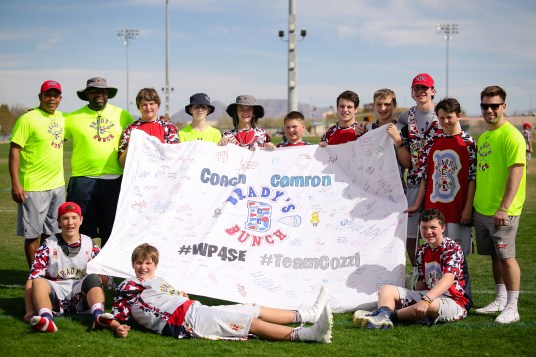 However, in October of 2016, Cam started to struggle walking and an MRI showed he was in progression. One week before Thanksgiving, he had a shunt installed to help relieve symptoms related to hydrocephalus (fluid buildup in the ventricles due to tumor growth, which increases pressure in the brain). Up until he had the shunt surgery, Cam attended school.
His family contacted Dr. Burzynski in Houston after discovering Cam was in progression, and he received treatment at the clinic from January through May of 2017, when it was determined that he wasn’t responding to it. Throughout this time, Camron’s balance continued to worsen, and he started to use a walker to get around. By May, he had lost the use of his right leg and arm, so he needed a wheelchair for mobility. Around the same time, Cam also lost the ability to speak audibly.
Camron has had to rely on others to help him out with just about everything since last May—showering, dressing, you name it. “Once he started to lose his right side, he began to feel frustrated and mad,” Cyndi explains. “But shortly after, the happy, funny Camron that we knew started to show up again. His demeanor physically changed, reflecting his will to fight this battle.”
After the Burzynski clinic failed to help improve Cam’s condition, the family began researching other treatment options (of which there were few) and settled on Monterrey after talking with Parker Monhollon’s mother, Amanda. Camron was accepted into the program and received his first treatment on June 2nd, 2017. He’s completed all four recommended immunotherapy treatments, which he received alongside IA treatments 2, 3, 4, and 5.
Recently, Cam completed five rounds of cyber knife radiation back home in Washington to treat a secondary tumor in his thalamus. Between this and the Monterrey treatment, the doctors believe that the thalamic tumor will be eradicated. They also believe the Mexico treatment is working against the DIPG.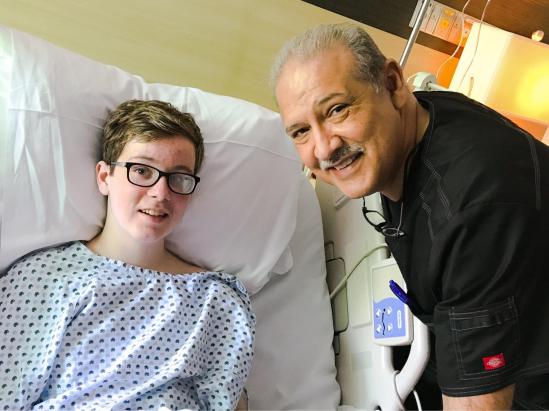 Fortunately, Camron’s mother works from home as a photographer and graphic artist, enabling her to incorporate Camron’s care into her days. His dad also has some flexibility to work from home, so between them, they can make sure that Cam’s never home alone.
Of course, DIPG affects the whole family. Camron’s older brother Jordan graduated from high school the year Cam was diagnosed, and he’s decided to attend college locally to be near the family and help take care of their home when they travel to Mexico every three weeks for treatment.
When talking about the hardest parts of this journey for Cam, Cyndi says that being a teen and having to spend all of his time with mom and dad must rank at the top. Camron’s also missed out on other important life events like learning to drive a car, and ordinary things like going to school.
“Being that Camron is older, he has experienced more than most DIPG warriors,” Cyndi explains. “As a parent, I mourn what should have been for Camron. It is hard for any of us to see the world keep going and leaving our DIPG children behind on many milestones. However I am joyful to be in the battle. Cam and I pray and give thanks for this journey we are on right now. And we do this through tears and laughter. It is our life, and Camron has never said he wished it any other way.”
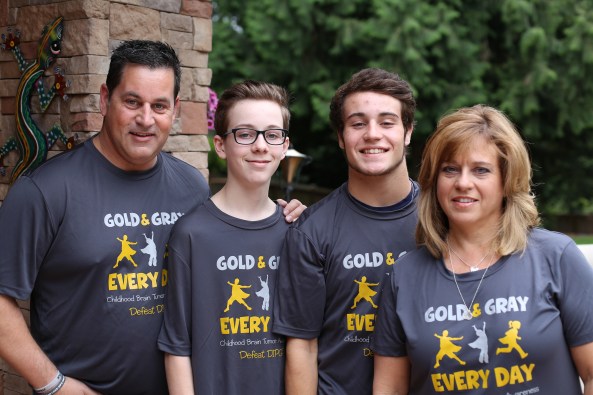 We would have wished it another way for you, Cam. But we stand with you now and maintain the faith that you will beat this cancer for good.
On March 10th, 2018–Camron’s 18th birthday–he went to be with the Lord. We will continue to work to fulfill your wish that no more children will die from this disease, Camron.
You can make a memorial donation here:
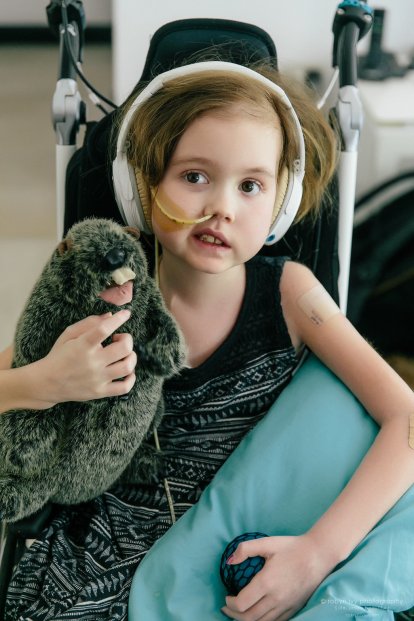 The first time I met Kira in person, she was visiting Rhode Island with her family—her Mama (my cousin, Jeni) and Pappa (Trond), and Kira’s brothers, August and Jasper.
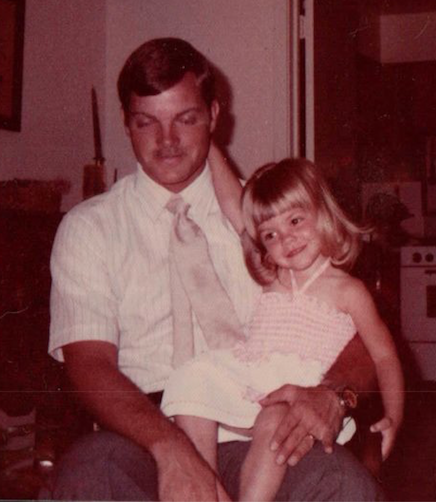 She never let anyone help her cross the street, insisting she could hold her own hand.
 She splashed her way through the fountains in Boston Commons and chatted with strangers on the T, informing them that she used to live in Bolivia and was moving to Ghana next. And she got temporarily separated from us as we exited the station.
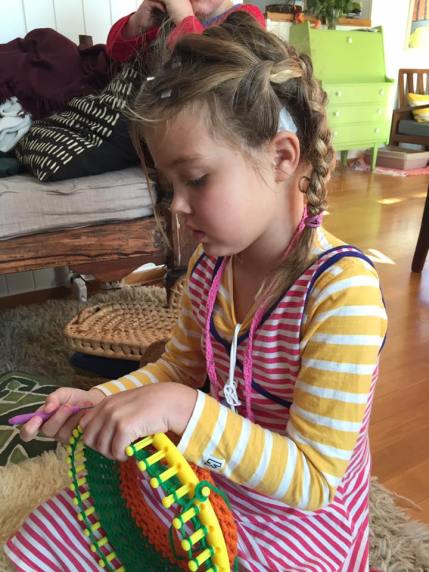 She had a brief “honeymoon period” after radiation, when her grandparents from Norway and Texas came to spend some time with Kira and the family. They picnicked near the fjords, went ice-skating, and made Kira’s favorite meal of sushi together.
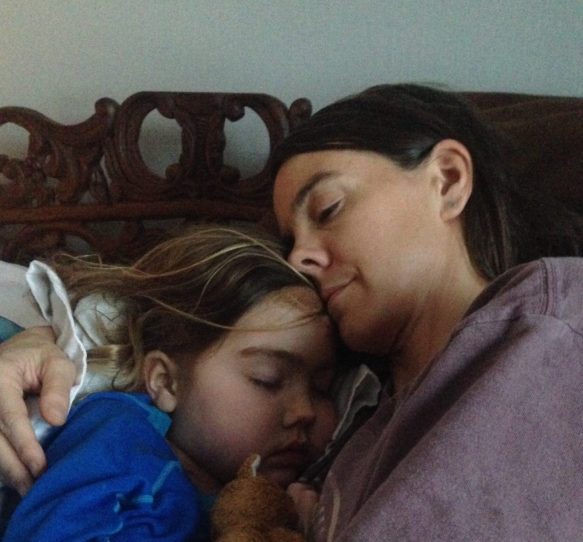 Then somehow, in this darkest hour, miraculously, Kira started very gradually regaining some of the functions she’d lost. She began to use her right hand again to form a half heart, made whole by Jeni, to tell her Mama she loved her. Over time, she started speaking a few words, and not long after, Kira was able to sit up and eat a couple bites of food, even joining the family at the table for Easter dinner.
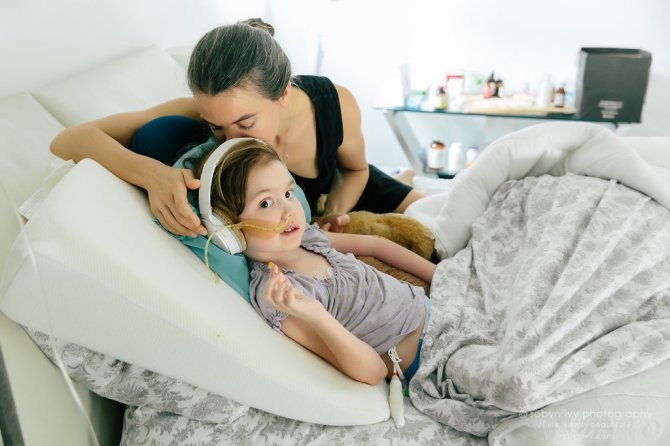 I went to Mexico in May when Jeni’s dad, who’d been down there helping them since they arrived, needed to return home to Texas for a few days. Even after my mother and my aunts had told me about their recent visits with Kira and I’d seen her pictures for months, nothing could have prepared me for the child who met me when I arrived.
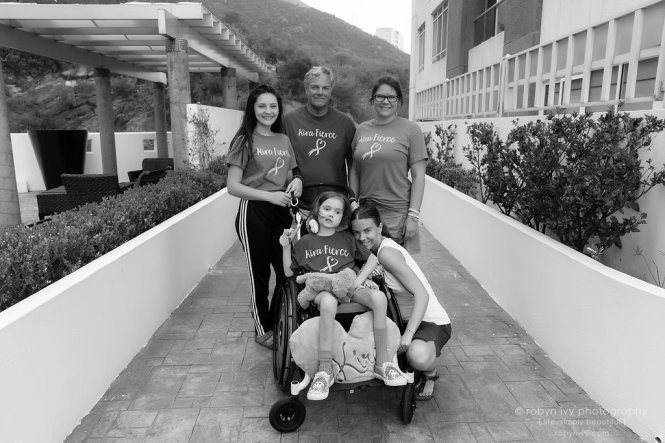 The next time, I came with Kira’s cousin, Lily. Though they’d not seen each other in nearly two years, the bond they shared retied itself as they fell back into their easy, comfortable closeness. Kira brushed Lily’s hair, told her she loved her (something normally reserved for Mama and Pappa), and pulled her close to whisper in her ear to please stop blowing kisses. “I don’t like kisses at all.”
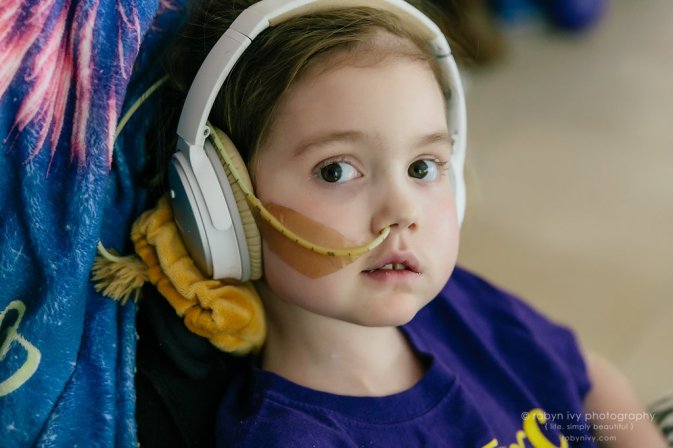 Kira’s now had five IA treatments. With each one, she gains a little more functioning. She can move her left arm and pull herself up to standing with assistance, her speech is becoming clearer and stronger, and her once broad vocabulary is returning.
 Ronil’s story is one of the hardest for me to write, maybe because I so clearly remember being 13, but more likely because of how he lives his life—with devastating beauty.
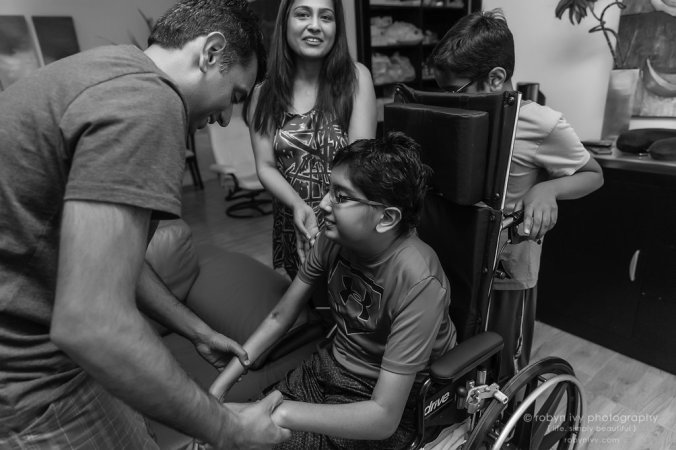 In January of 2016, Ronnie felt dizzy and collapsed unconscious on the floor while getting ready for school. An MRI showed he’d suffered two strokes due to a tumor in his brainstem. He fell into a coma, which he wasn’t expected to come out of. The doctors encouraged his parents Manisha and Milan to take Ronil off of life support, but they fought them, saying, “He will wake up.”
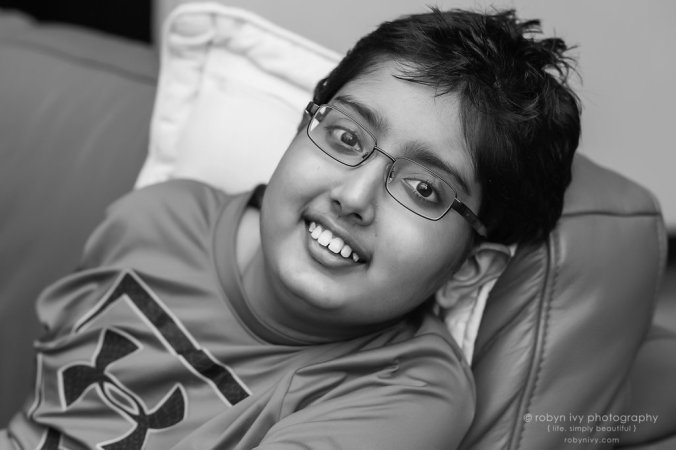 After the initial inflammation from radiation had settled by June, Ronnie was able to get around with a walker and eat by himself. He told his parents he wanted to walk, play basketball, and go to school again. His neuro-oncologist told his parents, “That’s not going to happen. He needs to aim lower.”
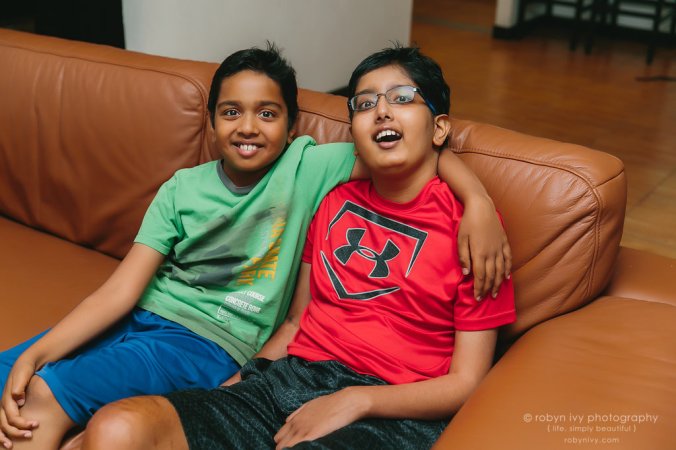 But in January of 2017, Ronnie started having trouble eating and walking, and a scan confirmed that he was in progression. He underwent emergency brain surgery to put in a shunt to treat hydrocephalus. Within the span of one week in February, he lost the ability to walk, stand, and talk. He completed 12 sessions of re-radiation at UCSF, and he also received immunotherapy, but these did little to restore his functions, as his tumor was still in progression.
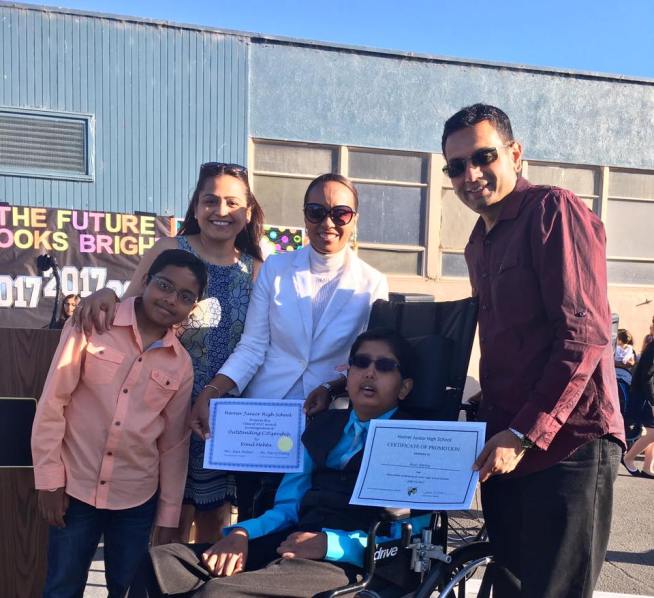 Ronnie’s 5th IA is scheduled for late July, after which they’ll go back home for a few weeks. In order to also receive the immunotherapy part of the treatment, Ronnie has to completely wean off of steroids. Manisha fears she may have moved too quickly when reducing his dose, as Ronnie lost the use of his right hand—one of the few things he could control—after coming off steroids. She weeps as she explains that even as she increased his dose again, he still can’t use that hand. The guilt she feels is suffocating.
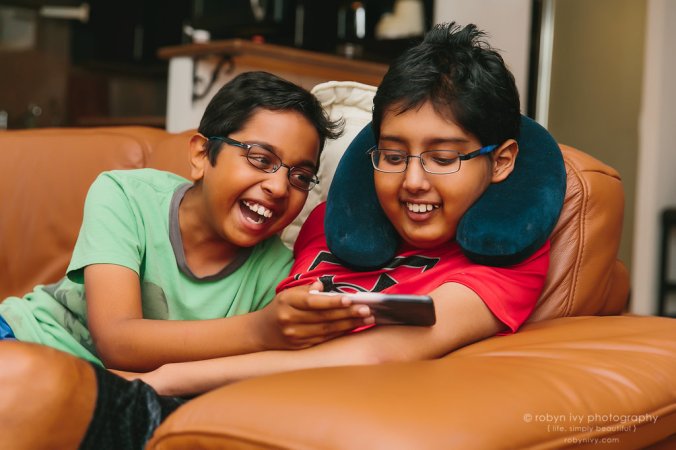 Ronil even inspired President Obama, who wrote him a personally signed letter from the White House where the president and first lady acknowledged his bravery and encouraged him to keep fighting.
 Sadly, on September 1st, 2018–the first day of Childhood Cancer Awareness Month–Ronil passed away. Your legacy lives on in everyone you knew and touched, Ronnie.
 Making DIPG History in Monterrey