 We met with Zoé our last evening in Monterrey. Her family had just moved into their new apartment, where Zoé was quick to absorb my daughter Lily into her inner circle, cuddling her, presenting her with a handmade gift, working together on a puzzle, and watching one of Zoé’s favorite Disney movies (in French!). Her mother Emilie pretended to have her feelings hurt that Zoé allowed Lily to play with her, which delighted Zoé to no end.
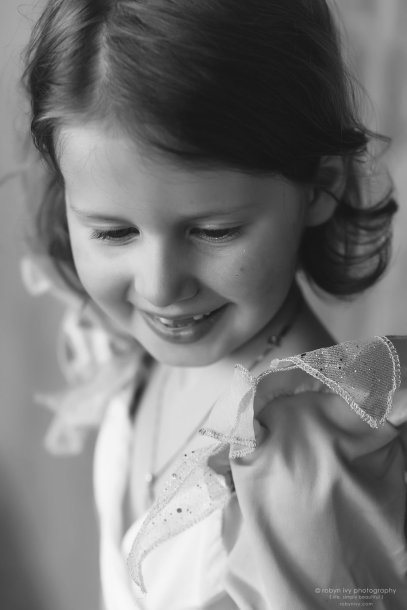
At first, Zoé wasn’t keen on standing by herself as the center of attention while having her picture taken. She warmed to the lens though when Emilie reminded Zoé of her “modeling” poses, which Zoé embraced with hand on hip and cheeky turn of her head.
 Emilie describes her own experience taking Zoé’s picture. When Emilie requested her to smile for the camera, Zoé asked, “Is there a school that can teach me how to smile?” Since the tumor developed, her brain seemed to have forgotten how to smile on command. But once Zoé starts laughing, her face can’t help but remember how to smile.
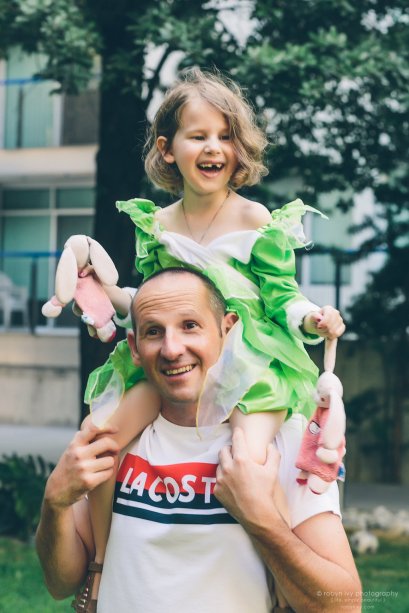
Zoé and I discovered that we share the somewhat unpopular response to people’s accidents by laughing. (We can’t help it; falling is sometimes funny.) Once you witness Zoé’s response to calamities, you’d fabricate one just to see that belly laugh engulf her tiny frame and twist her face into sweet hysterics. DIPG can’t rob her of joy; that comes from an untouchable place in the heart.
 As a result of her tumor, Zoé walks with a dainty tiptoe gait, which adds to her princess-like demeanor. DIPG has also caused Zoé to lose some of her characteristic self-confidence. She used to sing along to her favorite soundtracks, but gradually learned to doubt her ability when her voice didn’t respond as usual, and she fell silent. These subtle changes must be among the hardest—to count each subtraction that the disease makes from your child.
Zoé’s also become shyer and tends to cry more easily. At least once during the movie viewing, Zoé came into the next room where the adults were talking, sobbing full bore and telling us that we were being too loud. Emilie never missed a beat, clucking at our insensitivity and promising that we’d do our best to be quieter.
Having a child with cancer means making certain adjustments to your parenting style. Perhaps the first thing a parent lets go of is any outward expression of annoyance at their child’s eruptions. As tired and impatient as you might feel, you’d never begrudge her a sour mood. But what about all the times before when you admonished her for small infractions? With a child’s cancer diagnosis comes the impossible task of forgiving yourself for your humanity.
French ex-pats, Zoé’s parents Emilie and Sylvain have lived in the UK for the past 13 years. Sylvain coaches basketball, and Emilie taught French part time after Zoé’s birth. After Zoé’s diagnosis, Emilie turned to full-time caretaker.
 Every child with DIPG presents a bit differently, and Zoé is no exception. She’d had a bout of the flu, and subsequently developed a squint in her eye in the mornings that disappeared each day by around noon. Concerned but not overly alarmed, her parents took her to several ophthalmologists and eye specialists over the course of two months, who all confirmed that Zoé’s eyes were healthy and her vision was fine. But as the squint persisted, so did Zoé’s parents. They scheduled an MRI of her brain, and three days before the test, Zoé started having headaches located at the base of her skull. Emilie also describes a “far away look” to Zoé around that time.
On May 22, 2016—just five days before her 5th birthday—the MRI showed a 5-centimeter tumor located in Zoé’s brainstem. Her parents were informed of her diagnosis, along with a rather cold accounting of what to expect: rapid deterioration of her condition, followed by death within 9 months to 2 years.
“Try to live normally and enjoy life as much as you can,” the doctors told them. Shattered, they began to trudge down the road of treatment options—a term better abandoned, since no treatment exists in most places, only palliative care.
Emilie tells us all this in hushed tones. Like many of the other children getting treatment in Monterrey, Zoé doesn’t know that she has a brain tumor, and it’s important that it stay that way. Instead, her parents tell her that she’s getting medicine to help her legs become stronger and to heal her eyes and headaches. Any more information would overwhelm her, so her parents move forward each day pretending for Zoé that everything is normal, while knowing it’s not.
 After two rounds of radiation and inevitable progression on the horizon, Emilie and Sylvain considered taking Zoé to Cologne for immunotherapy. In the meantime, the buzz about Mexico started circulating widely among DIPG families via social media.
Soon after her parents submitted her records for review, the Monterrey team told them of Zoé’s acceptance into the program. They jumped on the opportunity, as this tumor doesn’t wait.
Zoé received her first intra-arterial treatment mid-June, and is scheduled for her first immunotherapy combined with her second intra-arterial treatment in early July.
 So far, the results of her treatments have been encouraging. Zoé’s speech and coordination have improved, she’s able to use the loo without Emilie’s assistance, her anxiety has lessened, and she’s more lively and energetic. She’s also started singing again. It’s hard to say for sure if the treatment in Mexico has led to these changes, if they’re residual from her last radiation sessions, or if it’s some combination of these.
But when you see your child returning to you, piece by piece, the question isn’t why, it’s how do we get more of this? For now, the hope of more resides in Monterrey.
You can follow Zoé on Facebook:
https://www.facebook.com/associationprincessezoe/
To learn more about Zoé and make a donation:
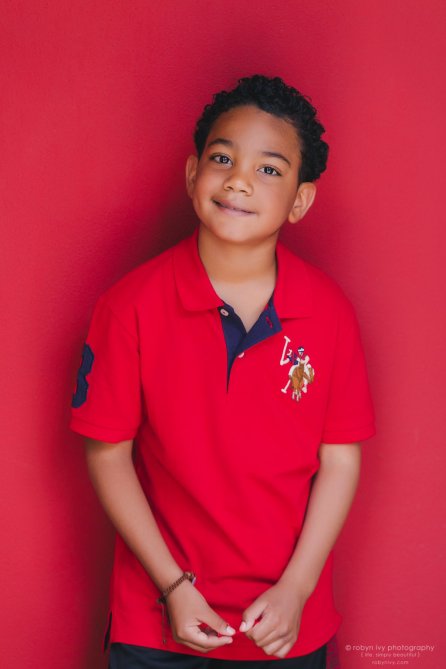 Alan and his mom Midy and tia Michele were staying on the outskirts of central Monterrey. We met them the afternoon of the last full day of our trip in their new construction apartment, which Mariana Gutierrez—who Midy calls “Alan’s angel”—helped find them at a discounted rate for the week. Alan sat next to us on the couch taking in the conversation quietly, obviously missing nothing.
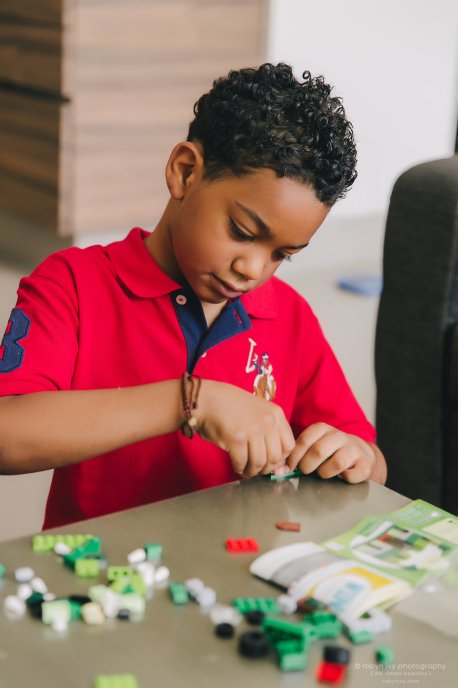 Midy admits they don’t talk about Alan’s tumor a lot, but when they do, they refer to it as a “little ball” on his brain. He knows he’s getting treatment for it, and he’s not immune to other kids’ reactions to his noticeable limp.
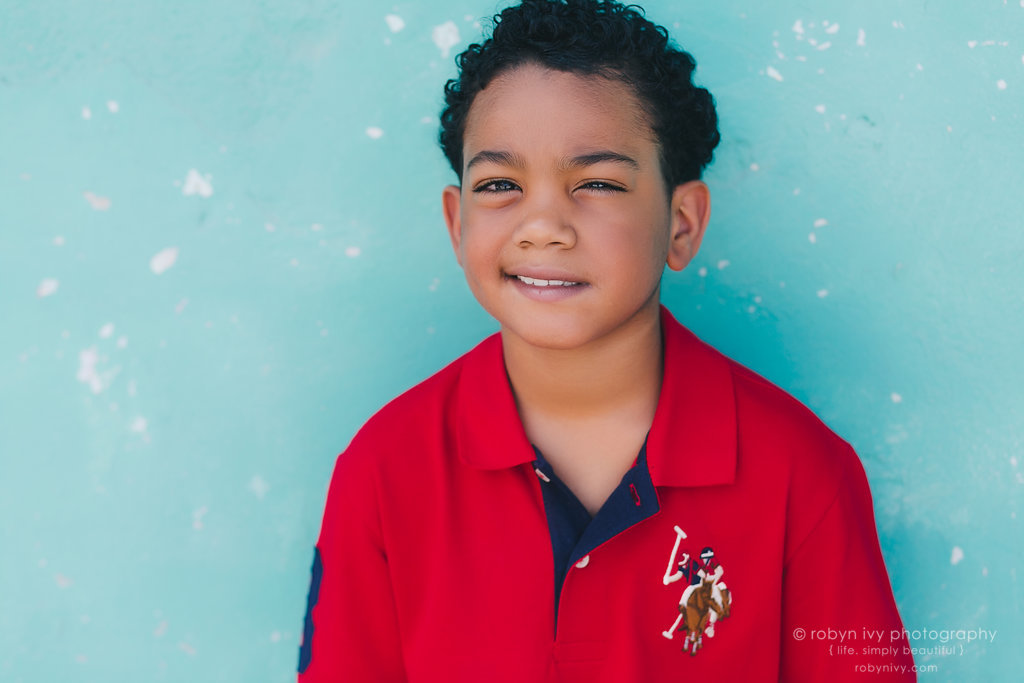
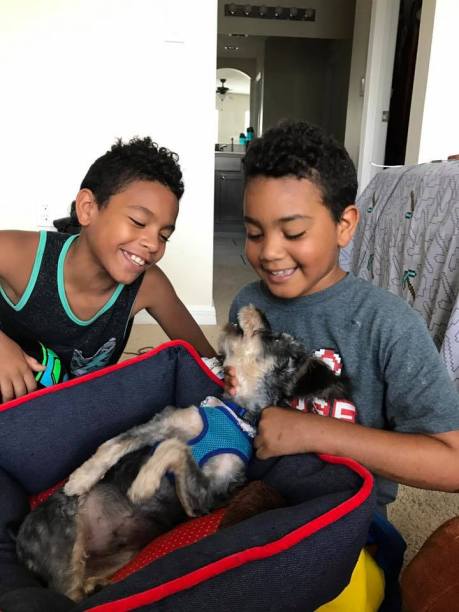 Alan’s limp is what originally brought him to the doctor. An avid baseball player (“the fastest runner on my team”), Midy assumed that Alan had a sports injury. But when the orthopedist couldn’t find anything wrong, and Alan’s symptoms worsened to include headaches and the weakness affected his whole left side, they got an MRI. Alan was diagnosed with DIPG on February 17, 2017, and was scheduled to start radiation just one month before his 8th birthday.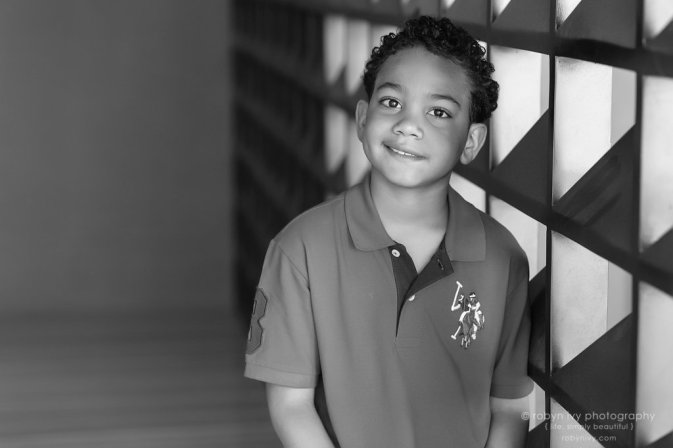
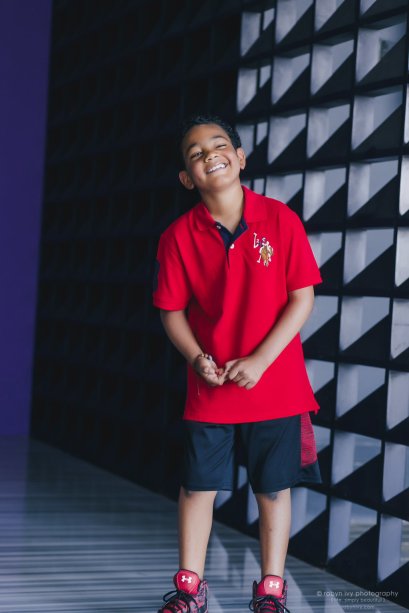 Alan shares the same number as his favorite baseball player, David Ortiz—Big Papi, who’s from the Dominican Republic like Midy’s family. Since we first learned about Alan, we’ve followed his journey on Facebook, and my daughter Lily’s had a special place in her heart for him. The best way she could think to describe her joy in finally meeting Alan in person was to explain that it would be like him getting to meet Big Papi. Now that he could relate to. Alan and Lily became fast friends, made closer since we left and they’ve been texting each other regularly.
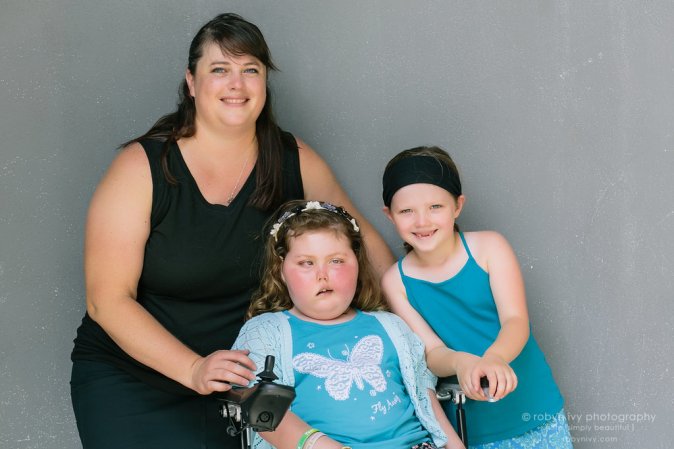
 “So many times I wish people could meet the “before DIPG” Julianna. She was always bubbling over with joy, happiness, and giggles. She had bouncing blonde curls and an infectious smile,” Julianna’s mom Stacie says.
 But she’s still in there, the child that everyone who knows her loves, telling us through half-opened mouth from her carefully positioned place in the corner of the couch all about her life in Walla Walla, Washington.
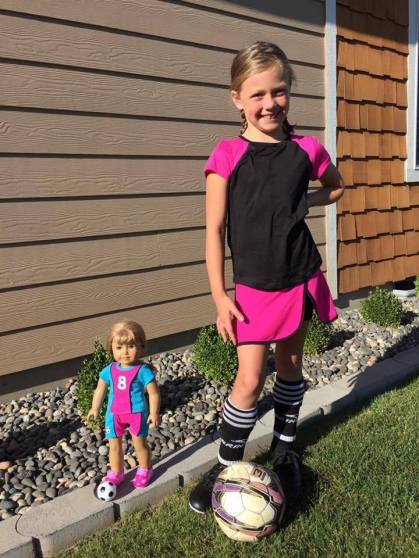
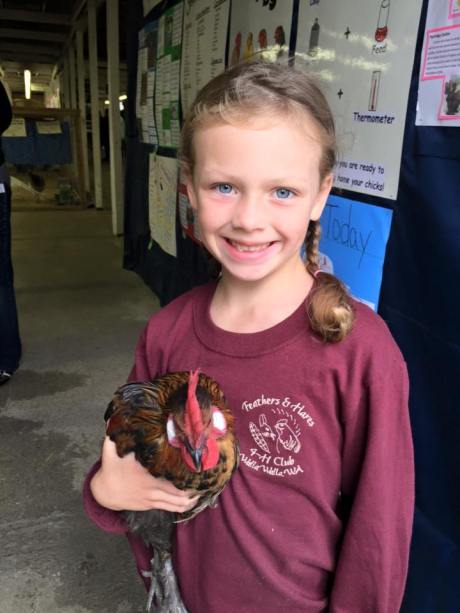 Julianna has always led an active life surrounded by her family, who she adores. She is homeschooled, alongside 13-year-old brother Joshua and 7-year-old sister Jillian. She looks forward to learning in school every day, and she enjoys doing gymnastics, swimming, riding bikes, and playing soccer on a team every fall. As Julianna puts it, “I’m a going girl, not a sitting girl!”
 Stacie can’t help but well up at her daughter’s selfless desire to share her experience. She brushes away the tears that won’t listen as she shows us YouTube videos that Julianna made since her diagnosis, where she relates the depressing statistics about brain tumors. Julianna uses powerful graphics to show the disproportionate amount of funding that goes to adult cancers, as her own face is puffy from the steroids she takes to keep the swelling in her brain from her tumor under control.
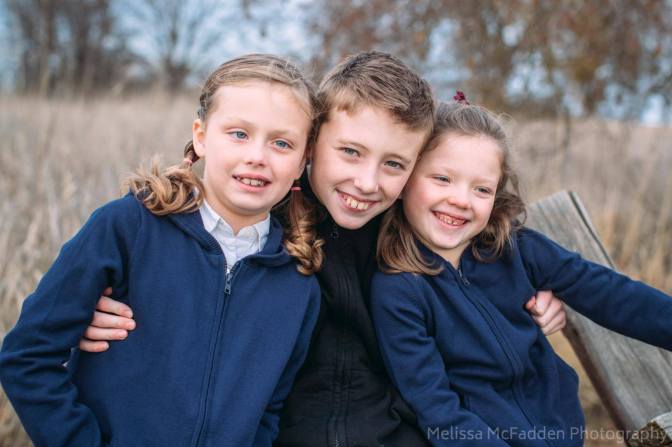 The degree to which Julianna’s right eye turned in has only gotten worse over time, creating two images of everything she sees: a clear one, and one she knows isn’t real. As so often happens with cancer, the interventions and treatments have created their own set of problems. After the biopsy, the right side of Julianna’s face became paralyzed, and the left side of her body went numb. Radiation triggered temporary deafness in her right ear, and the CED infusions caused her to lose the use of her left hand and her left leg to become weak.
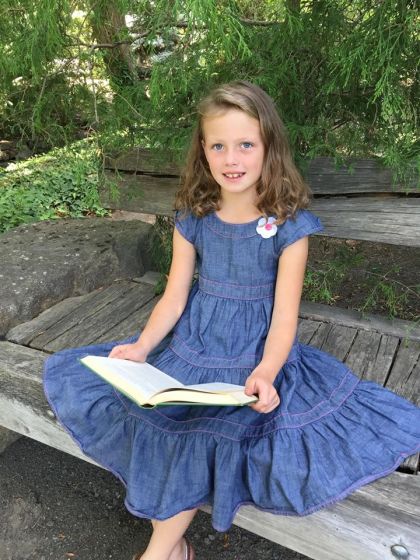 Even in Mexico with this promising treatment, Julianna has had a rocky road with her “bump.” The dizziness she experienced prior to her first IA subsided initially after treatment, but has since returned. She also developed some shakiness in her hands that worsened after her second IA. They had to increase her steroid dose yet again because of inflammation, which has pushed out the start date for immunotherapy.
 That night, Julianna also decided to start a foundation that would help other children battling DIPG. Whenever anyone gives her spending money, Julianna puts it straight into her project fund. “She loves to count it and talk about how she wants to tell her story to raise awareness and be other kids’ hope after she gets well,” says Stacie.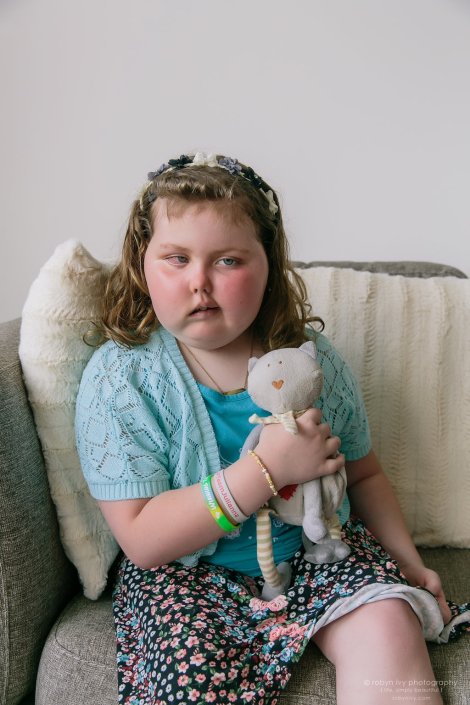


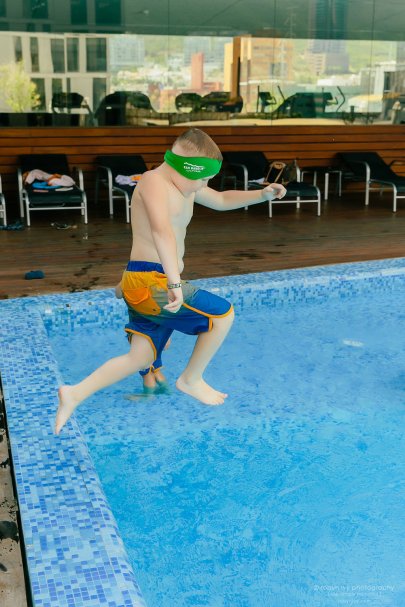 Splashing around in the water with his siblings at all is a huge accomplishment, considering where Luke was a couple of months ago. Lewis couldn’t understand why his brother wasn’t answering his requests to play or even talk with him, and Jenny described Luke as looking glassy-eyed and unresponsive. He was declining rapidly, and hope seemed far off.
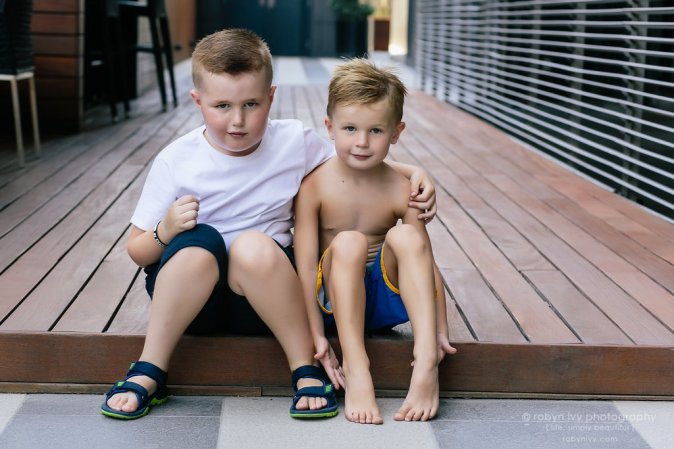 Jenny and Mark take Luke’s illness in stride with everything else thrown their way. They treat Luke the same as his siblings, and don’t panic over little setbacks, maintaining some much-needed normalcy in all of their lives. But don’t interpret that as a sign of their giving up: Jenny maintains a perpetual presence on social media, regularly posting pictures and updating Luke’s faithful followers on his progress, and she hunts down every available treatment option for her son. She’s an untiring, fearless constant in his life, aiming to ensure he has the best chance at beating this disease. “I wouldn’t be a mother if I didn’t do everything in my power,” Jenny says. “I’ll never give up trying to save him.”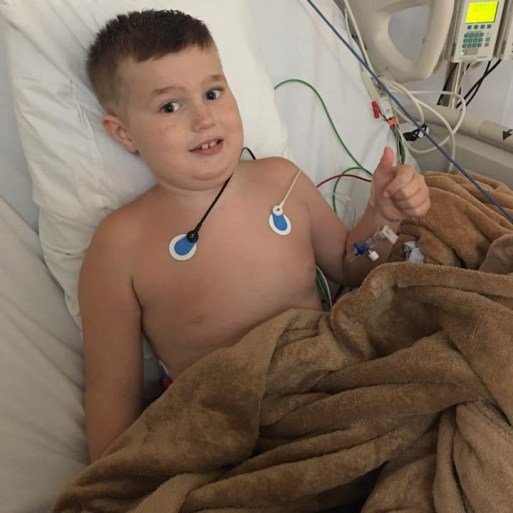

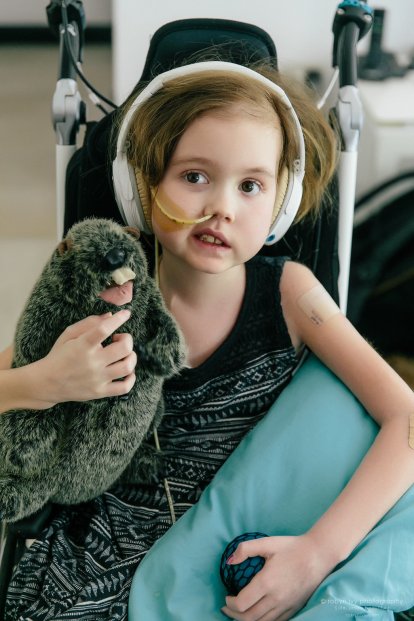 The first time I met Kira in person, she was visiting Rhode Island with her family—her Mama (my cousin, Jeni) and Pappa (Trond), and Kira’s brothers, August and Jasper.
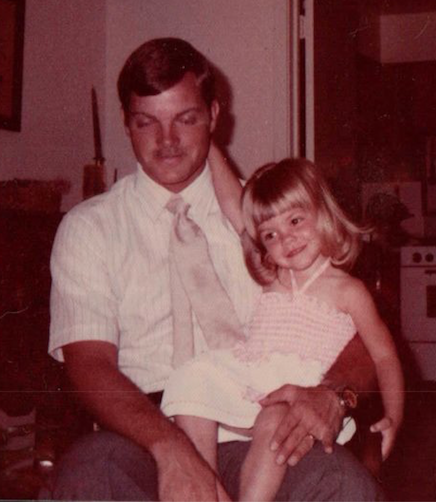 She never let anyone help her cross the street, insisting she could hold her own hand.
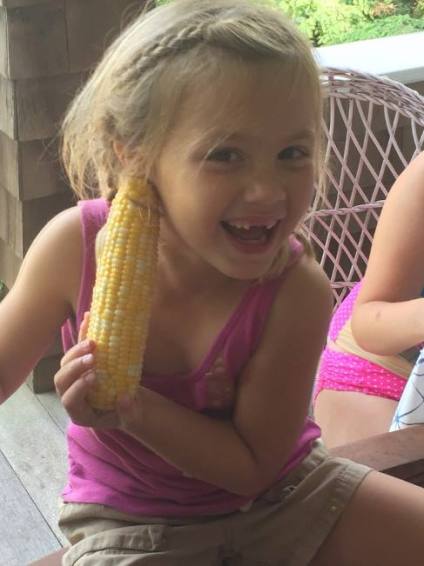 She splashed her way through the fountains in Boston Commons and chatted with strangers on the T, informing them that she used to live in Bolivia and was moving to Ghana next. And she got temporarily separated from us as we exited the station.
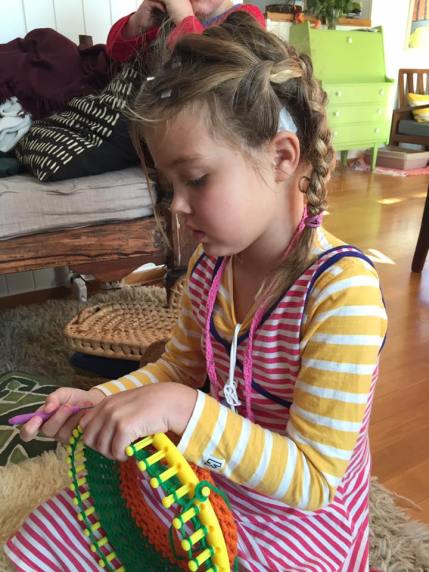 She had a brief “honeymoon period” after radiation, when her grandparents from Norway and Texas came to spend some time with Kira and the family. They picnicked near the fjords, went ice-skating, and made Kira’s favorite meal of sushi together.
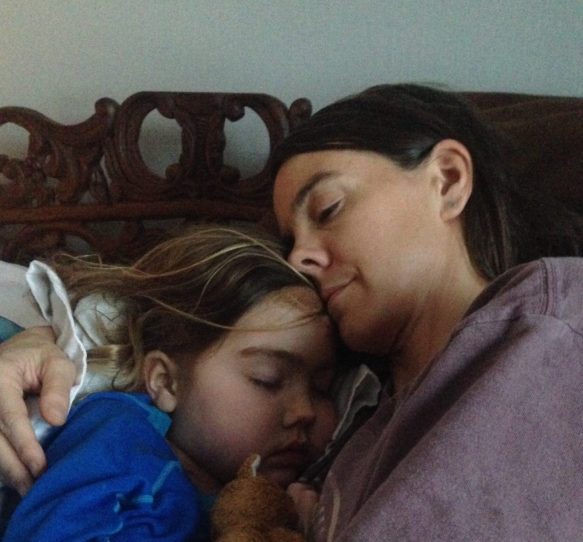 Then somehow, in this darkest hour, miraculously, Kira started very gradually regaining some of the functions she’d lost. She began to use her right hand again to form a half heart, made whole by Jeni, to tell her Mama she loved her. Over time, she started speaking a few words, and not long after, Kira was able to sit up and eat a couple bites of food, even joining the family at the table for Easter dinner.
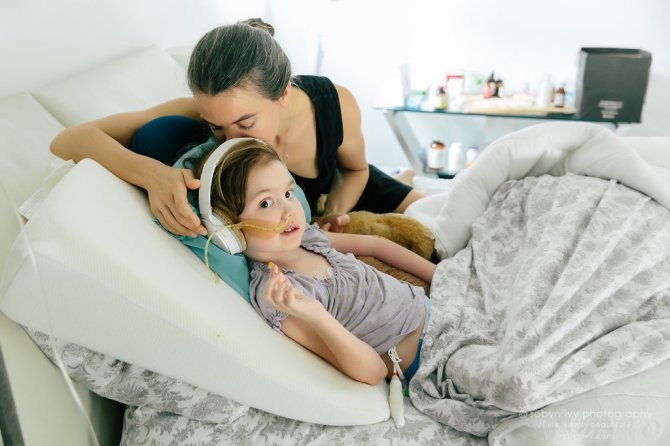 I went to Mexico in May when Jeni’s dad, who’d been down there helping them since they arrived, needed to return home to Texas for a few days. Even after my mother and my aunts had told me about their recent visits with Kira and I’d seen her pictures for months, nothing could have prepared me for the child who met me when I arrived.
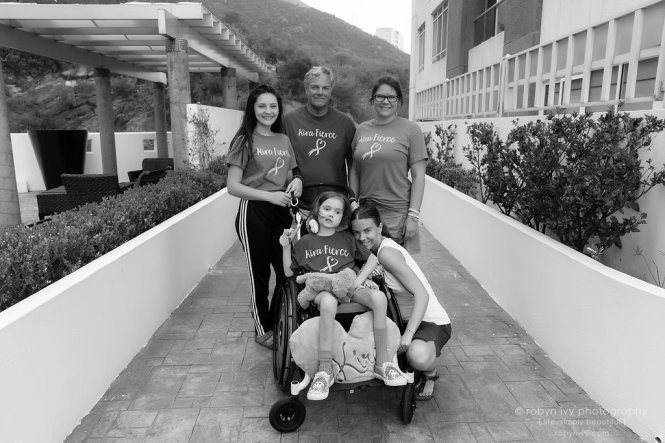 The next time, I came with Kira’s cousin, Lily. Though they’d not seen each other in nearly two years, the bond they shared retied itself as they fell back into their easy, comfortable closeness. Kira brushed Lily’s hair, told her she loved her (something normally reserved for Mama and Pappa), and pulled her close to whisper in her ear to please stop blowing kisses. “I don’t like kisses at all.”
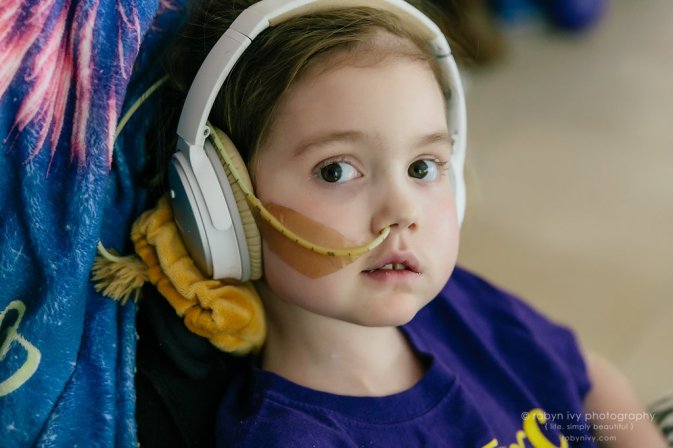 Kira’s now had five IA treatments. With each one, she gains a little more functioning. She can move her left arm and pull herself up to standing with assistance, her speech is becoming clearer and stronger, and her once broad vocabulary is returning.
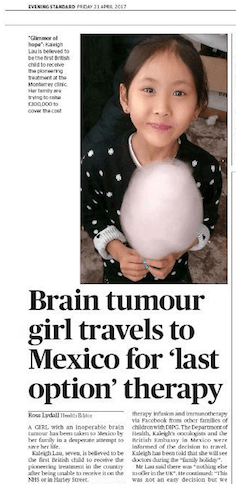
 If “pink” could name someone’s personality, surely it would be Kaleigh’s. With her sights set on someday becoming a princess, Kaleigh gets in lots of practice for her future position. She’s straightforward, yet gracious; determined, but considerate.
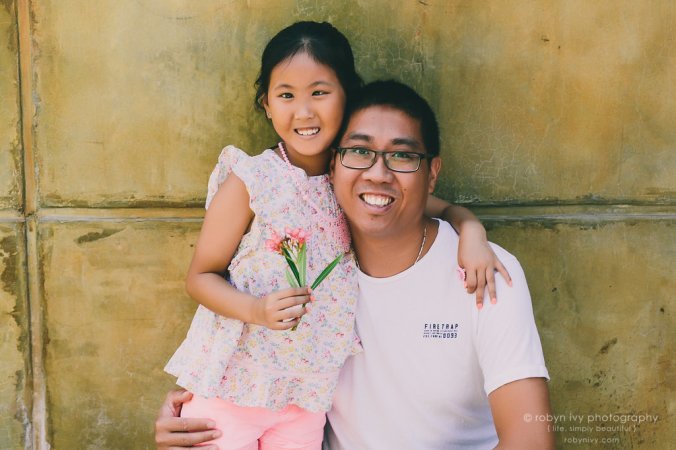 Apart from an inturned eye, Kaleigh appears completely healthy and vital. But not too long ago, her tumor was in progression.
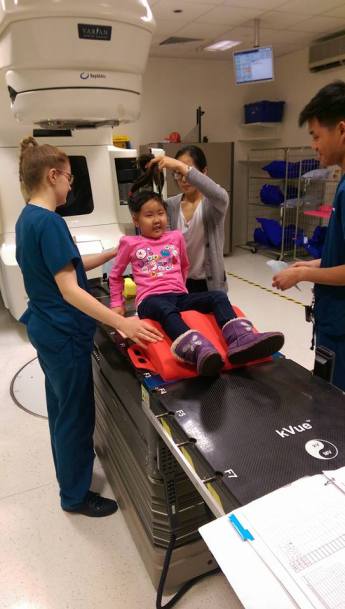 Kaleigh started radiotherapy on April 25th, 2016. She completed 30 sessions, followed by a long 7-month “honeymoon” period, after which her double vision returned. She underwent 10 more radiotherapy sessions starting in January of 2017, but her vision problems persisted, and some new symptoms started: her left hand got weaker, she began to stutter, her walking became unbalanced, and she developed regular headaches.
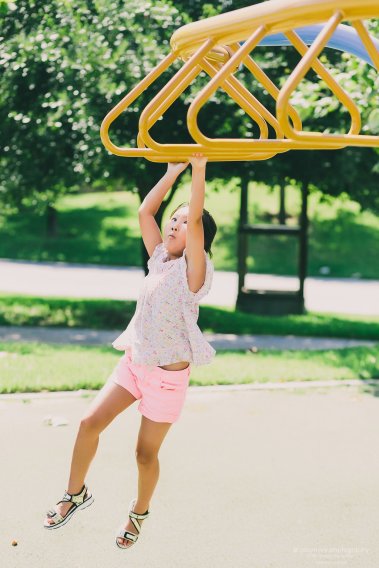
 Kaleigh had her 5th IA and her 4th immunotherapy on July 3rd, after which they returned to London for a few weeks. Scott champions the treatment, crediting it for saving Kaleigh’s life, giving her back her personality, and helping her return to doing the things she loves, like the monkey bars. It’s not surprising that others have followed his lead and he’s become the Monterrey “cheerleader,” answering parents’ questions and helping connect families with local resources.
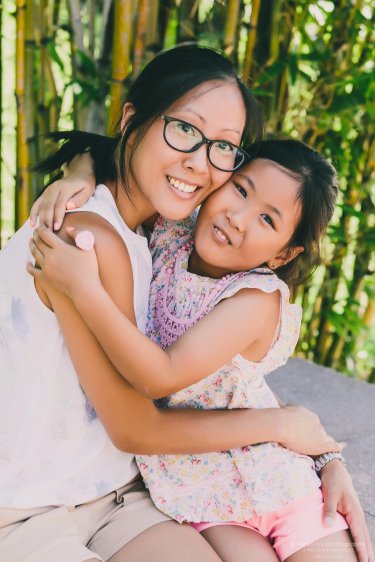
 Scott’s upbeat attitude is completely catching—he lives by his belief that happiness is the best medicine, which is why he insisted the whole family go to Mexico for Kaleigh’s treatments. His company has fortunately shown incredible support, allowing them to be together while Scott takes time off of work and Kaleigh continues to respond positively to this potentially life-saving therapy.
 Between doctor’s appointments, blood draws, and treatments, they aim to enjoy their time there as if on holiday. They meet up with other families for swimming and to share meals, and Scott arranged for the families to attend the local Kidzania and Safari park at discounted price. This gives the families precious opportunity to connect with each other and fill up on encouragement that only people going through the same heartache can offer.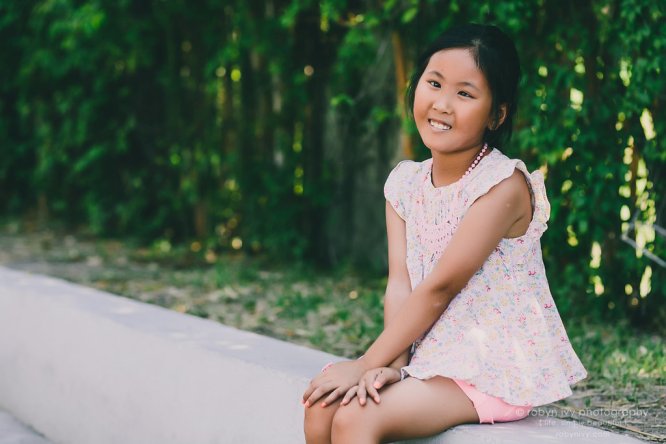
 Making DIPG History in Monterrey