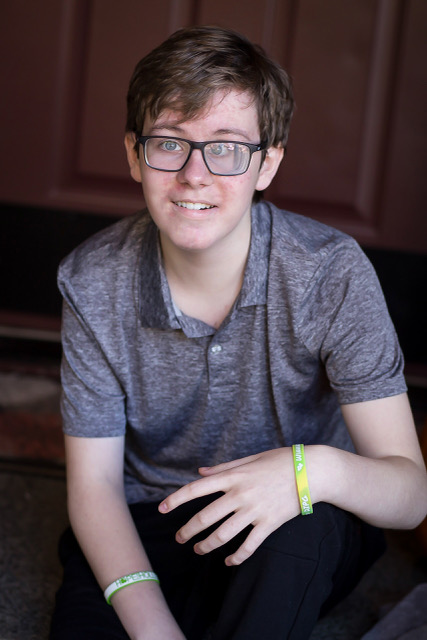
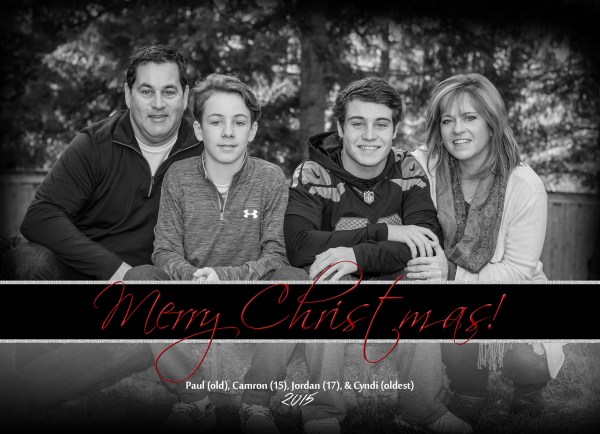
 Two years ago today, on December 22nd, 2015, 15-year-old Camron Cozzi and his family received life-altering news: Camron had an inoperable brainstem tumor called DIPG.
Cam had suffered a concussion during a lacrosse game, and as his parents monitored his symptoms, they noticed he was getting progressively worse: double vision, stumbling, walking into things, and frequent vomiting. When DIPG was identified as the cause shortly thereafter, doctors told the family that the tumor would claim Camron’s life within 2 months if he didn’t get radiation, or in 9-12 months with radiation.
 Cam is the first child I’ve written about here who I haven’t met in person. We just missed him last summer when we went to Mexico to get to know 11 other DIPG fighters. I got closer in November, when we were 20 feet from each other, separated by the door to his room at Hospital Angeles. My cousin’s daughter, Kira, had been admitted to the same hospital when I ran into Camron’s father, Paul. He asked if I’d like to say hi to Cam. Under the circumstances and knowing that I couldn’t be fully present given what was going on with my family, I declined.
Camron’s been on my mind ever since. His parents have helped me get to know him a little bit better, as I hope this story will help you.
By all counts, Camron’s a typical teenager: he loves candy, sleeping, his dog Jagger, and watching TV. One of his favorite channels is HGTV, which inspired his dream to become a tiny home architect. Coming from Bonney Lake, Washington, Cam’s a hardcore Seahawks fan, and he’s also an avid lacrosse player.


Although he’s not been to school in a while, Camron has always excelled academically. His parents describe him as stubborn, funny, brave, witty, honest, loyal, caring, and a warrior.
He’s also incredibly social. Camron’s mom Cyndi explains, “He used to call me from one friend’s house to ask if he could go to another friend’s house once he had to leave the first friend. I used to get so embarrassed that he did that because I didn’t want him to offend his friends. I also used to worry why he didn’t want to be with us—his family. He has always loved being with friends, and I miss that for him.”
Even though Cam might have wanted to spend most of his free time with peers, the Cozzi’s are close. Cyndi recalls when the doctor first told Cam about his tumor. “He asked calmly if there was a pill to make him die faster because he didn’t want mom and dad to have to go through any of it.”
Despite Cam’s initial reaction to his diagnosis, they opted for radiation, which began right after Christmas and continued until February 9th, 2016. About halfway through his sessions, Cam was ready to fight.


After completing radiation, Camron and his family took a Make-A-Wish cruise, and then headed to Cologne, Germany, where he underwent immunotherapy from April through November of last year.
“Early on you would think Camron was going to win the battle,” Cyndi says, since his first symptoms weren’t too bad, and radiation helped improve his balance. Camron also never had to take steroids to control his symptoms, so he didn’t gain the weight or have other steroid-related side effects that a lot of kids with DIPG do. And even though Cam had to give up playing lacrosse, he was still able to help out coaching younger teams in their town.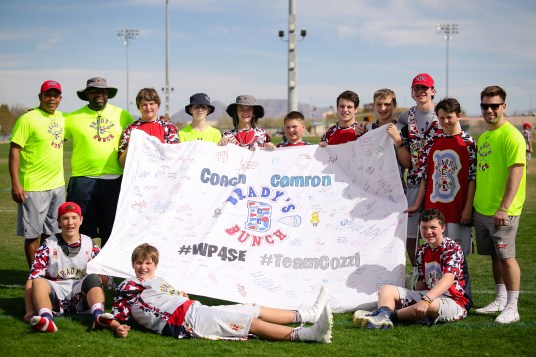 However, in October of 2016, Cam started to struggle walking and an MRI showed he was in progression. One week before Thanksgiving, he had a shunt installed to help relieve symptoms related to hydrocephalus (fluid buildup in the ventricles due to tumor growth, which increases pressure in the brain). Up until he had the shunt surgery, Cam attended school.
His family contacted Dr. Burzynski in Houston after discovering Cam was in progression, and he received treatment at the clinic from January through May of 2017, when it was determined that he wasn’t responding to it. Throughout this time, Camron’s balance continued to worsen, and he started to use a walker to get around. By May, he had lost the use of his right leg and arm, so he needed a wheelchair for mobility. Around the same time, Cam also lost the ability to speak audibly.
Camron has had to rely on others to help him out with just about everything since last May—showering, dressing, you name it. “Once he started to lose his right side, he began to feel frustrated and mad,” Cyndi explains. “But shortly after, the happy, funny Camron that we knew started to show up again. His demeanor physically changed, reflecting his will to fight this battle.”
After the Burzynski clinic failed to help improve Cam’s condition, the family began researching other treatment options (of which there were few) and settled on Monterrey after talking with Parker Monhollon’s mother, Amanda. Camron was accepted into the program and received his first treatment on June 2nd, 2017. He’s completed all four recommended immunotherapy treatments, which he received alongside IA treatments 2, 3, 4, and 5.
Recently, Cam completed five rounds of cyber knife radiation back home in Washington to treat a secondary tumor in his thalamus. Between this and the Monterrey treatment, the doctors believe that the thalamic tumor will be eradicated. They also believe the Mexico treatment is working against the DIPG.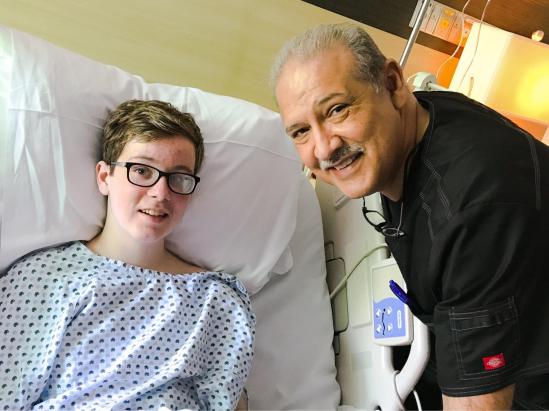 Fortunately, Camron’s mother works from home as a photographer and graphic artist, enabling her to incorporate Camron’s care into her days. His dad also has some flexibility to work from home, so between them, they can make sure that Cam’s never home alone.
Of course, DIPG affects the whole family. Camron’s older brother Jordan graduated from high school the year Cam was diagnosed, and he’s decided to attend college locally to be near the family and help take care of their home when they travel to Mexico every three weeks for treatment.
When talking about the hardest parts of this journey for Cam, Cyndi says that being a teen and having to spend all of his time with mom and dad must rank at the top. Camron’s also missed out on other important life events like learning to drive a car, and ordinary things like going to school.
“Being that Camron is older, he has experienced more than most DIPG warriors,” Cyndi explains. “As a parent, I mourn what should have been for Camron. It is hard for any of us to see the world keep going and leaving our DIPG children behind on many milestones. However I am joyful to be in the battle. Cam and I pray and give thanks for this journey we are on right now. And we do this through tears and laughter. It is our life, and Camron has never said he wished it any other way.”
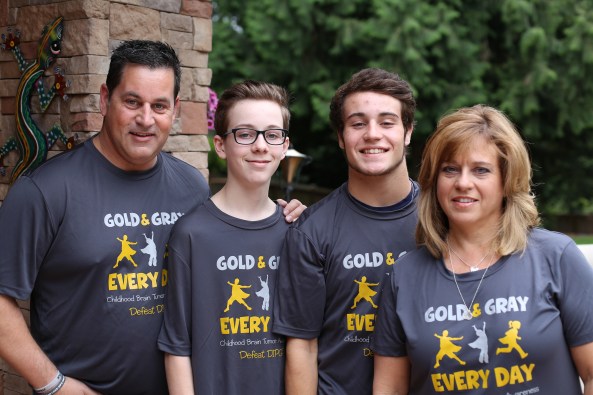 We would have wished it another way for you, Cam. But we stand with you now and maintain the faith that you will beat this cancer for good.
On March 10th, 2018–Camron’s 18th birthday–he went to be with the Lord. We will continue to work to fulfill your wish that no more children will die from this disease, Camron.
You can make a memorial donation here:
 We met with Zoé our last evening in Monterrey. Her family had just moved into their new apartment, where Zoé was quick to absorb my daughter Lily into her inner circle, cuddling her, presenting her with a handmade gift, working together on a puzzle, and watching one of Zoé’s favorite Disney movies (in French!). Her mother Emilie pretended to have her feelings hurt that Zoé allowed Lily to play with her, which delighted Zoé to no end.
 Emilie describes her own experience taking Zoé’s picture. When Emilie requested her to smile for the camera, Zoé asked, “Is there a school that can teach me how to smile?” Since the tumor developed, her brain seemed to have forgotten how to smile on command. But once Zoé starts laughing, her face can’t help but remember how to smile.
 As a result of her tumor, Zoé walks with a dainty tiptoe gait, which adds to her princess-like demeanor. DIPG has also caused Zoé to lose some of her characteristic self-confidence. She used to sing along to her favorite soundtracks, but gradually learned to doubt her ability when her voice didn’t respond as usual, and she fell silent. These subtle changes must be among the hardest—to count each subtraction that the disease makes from your child.
 Every child with DIPG presents a bit differently, and Zoé is no exception. She’d had a bout of the flu, and subsequently developed a squint in her eye in the mornings that disappeared each day by around noon. Concerned but not overly alarmed, her parents took her to several ophthalmologists and eye specialists over the course of two months, who all confirmed that Zoé’s eyes were healthy and her vision was fine. But as the squint persisted, so did Zoé’s parents. They scheduled an MRI of her brain, and three days before the test, Zoé started having headaches located at the base of her skull. Emilie also describes a “far away look” to Zoé around that time.
 After two rounds of radiation and inevitable progression on the horizon, Emilie and Sylvain considered taking Zoé to Cologne for immunotherapy. In the meantime, the buzz about Mexico started circulating widely among DIPG families via social media.
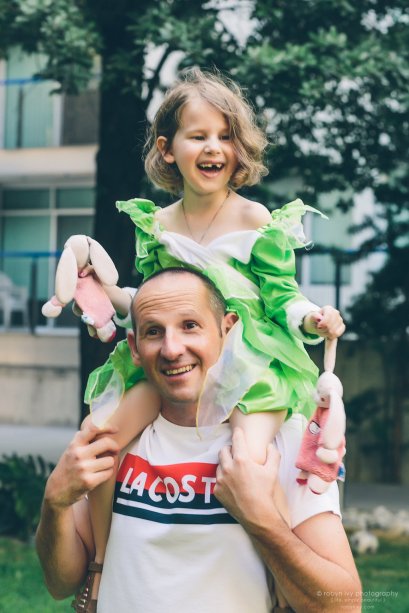 So far, the results of her treatments have been encouraging. Zoé’s speech and coordination have improved, she’s able to use the loo without Emilie’s assistance, her anxiety has lessened, and she’s more lively and energetic. She’s also started singing again. It’s hard to say for sure if the treatment in Mexico has led to these changes, if they’re residual from her last radiation sessions, or if it’s some combination of these.
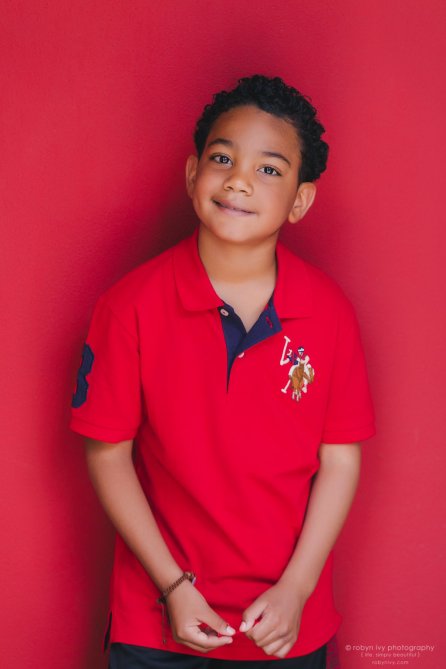 Alan and his mom Midy and tia Michele were staying on the outskirts of central Monterrey. We met them the afternoon of the last full day of our trip in their new construction apartment, which Mariana Gutierrez—who Midy calls “Alan’s angel”—helped find them at a discounted rate for the week. Alan sat next to us on the couch taking in the conversation quietly, obviously missing nothing.
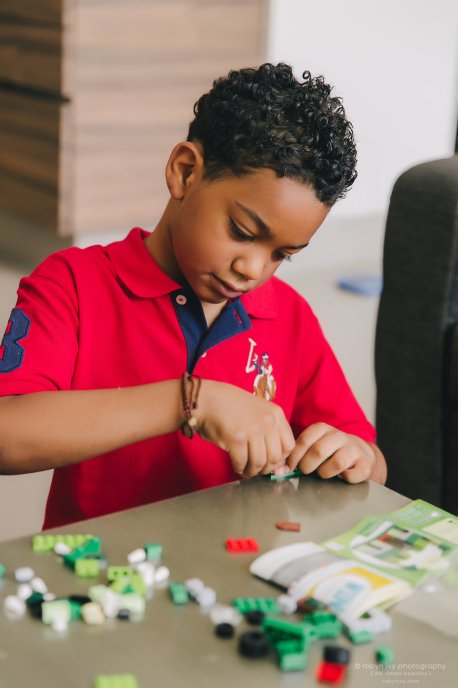 Midy admits they don’t talk about Alan’s tumor a lot, but when they do, they refer to it as a “little ball” on his brain. He knows he’s getting treatment for it, and he’s not immune to other kids’ reactions to his noticeable limp.
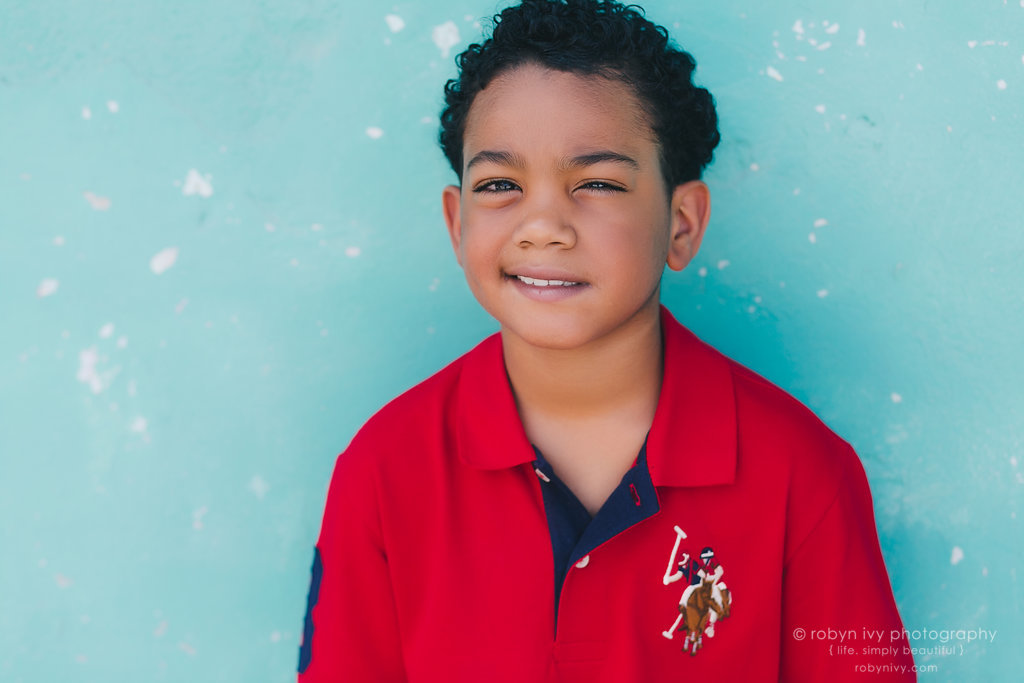
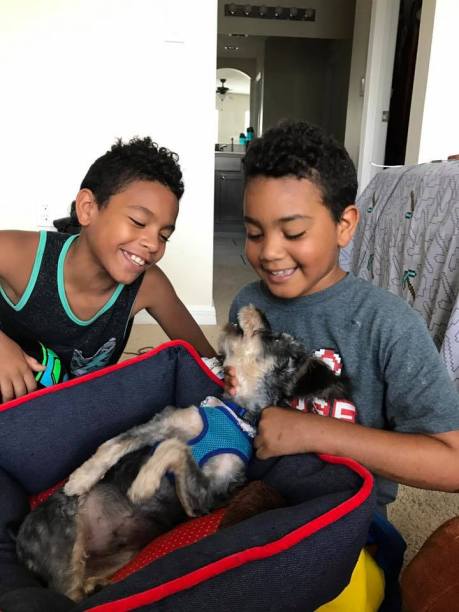 Alan’s limp is what originally brought him to the doctor. An avid baseball player (“the fastest runner on my team”), Midy assumed that Alan had a sports injury. But when the orthopedist couldn’t find anything wrong, and Alan’s symptoms worsened to include headaches and the weakness affected his whole left side, they got an MRI. Alan was diagnosed with DIPG on February 17, 2017, and was scheduled to start radiation just one month before his 8th birthday.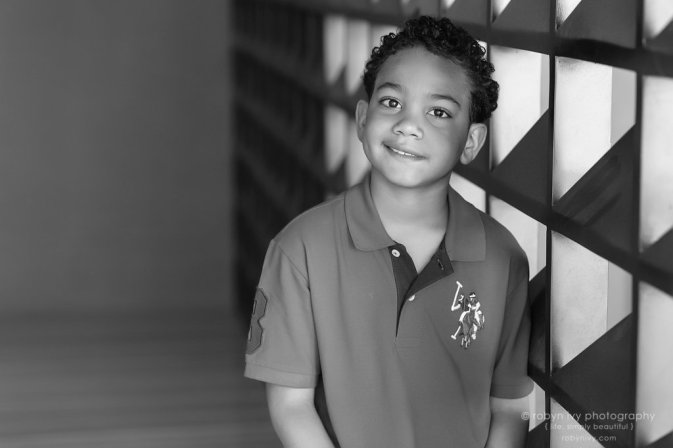
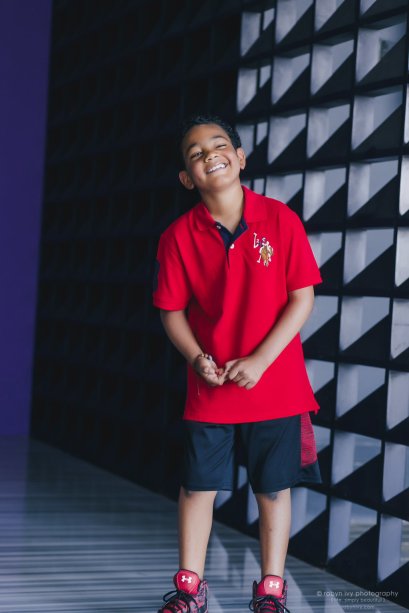 Alan shares the same number as his favorite baseball player, David Ortiz—Big Papi, who’s from the Dominican Republic like Midy’s family. Since we first learned about Alan, we’ve followed his journey on Facebook, and my daughter Lily’s had a special place in her heart for him. The best way she could think to describe her joy in finally meeting Alan in person was to explain that it would be like him getting to meet Big Papi. Now that he could relate to. Alan and Lily became fast friends, made closer since we left and they’ve been texting each other regularly.
 “So many times I wish people could meet the “before DIPG” Julianna. She was always bubbling over with joy, happiness, and giggles. She had bouncing blonde curls and an infectious smile,” Julianna’s mom Stacie says.
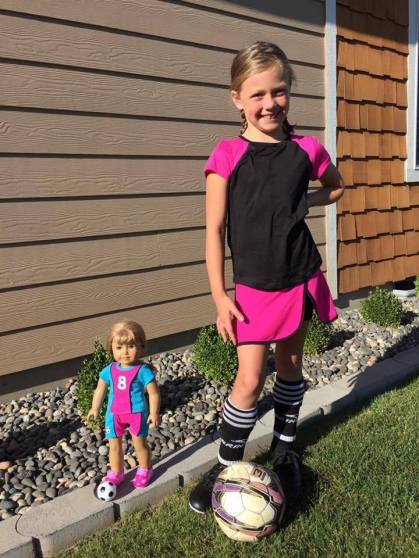 But she’s still in there, the child that everyone who knows her loves, telling us through half-opened mouth from her carefully positioned place in the corner of the couch all about her life in Walla Walla, Washington.
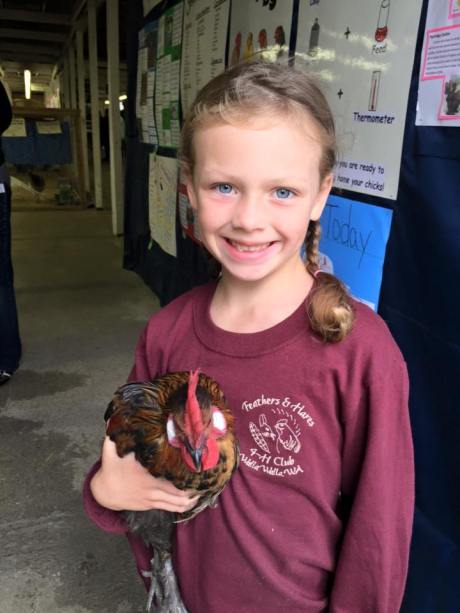 Julianna has always led an active life surrounded by her family, who she adores. She is homeschooled, alongside 13-year-old brother Joshua and 7-year-old sister Jillian. She looks forward to learning in school every day, and she enjoys doing gymnastics, swimming, riding bikes, and playing soccer on a team every fall. As Julianna puts it, “I’m a going girl, not a sitting girl!”
 Stacie can’t help but well up at her daughter’s selfless desire to share her experience. She brushes away the tears that won’t listen as she shows us YouTube videos that Julianna made since her diagnosis, where she relates the depressing statistics about brain tumors. Julianna uses powerful graphics to show the disproportionate amount of funding that goes to adult cancers, as her own face is puffy from the steroids she takes to keep the swelling in her brain from her tumor under control.
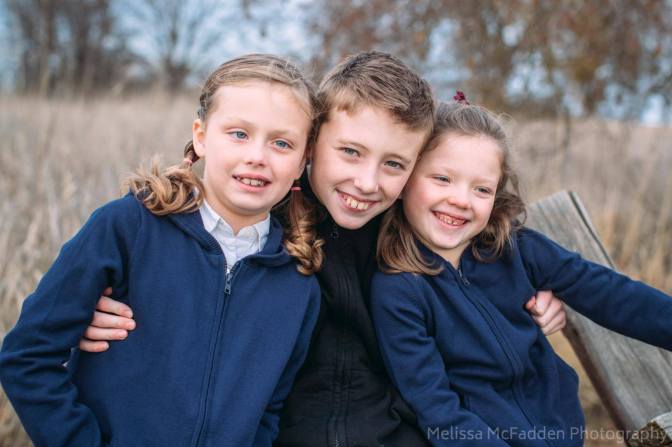 The degree to which Julianna’s right eye turned in has only gotten worse over time, creating two images of everything she sees: a clear one, and one she knows isn’t real. As so often happens with cancer, the interventions and treatments have created their own set of problems. After the biopsy, the right side of Julianna’s face became paralyzed, and the left side of her body went numb. Radiation triggered temporary deafness in her right ear, and the CED infusions caused her to lose the use of her left hand and her left leg to become weak.
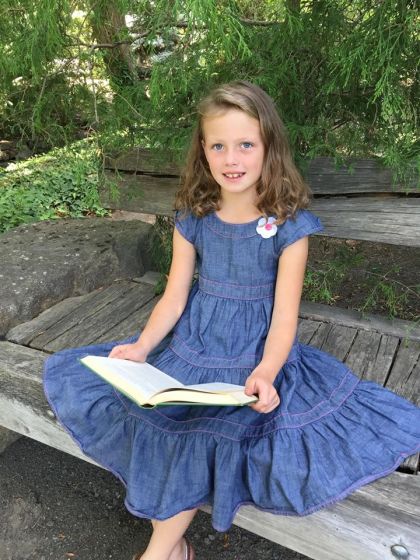 Even in Mexico with this promising treatment, Julianna has had a rocky road with her “bump.” The dizziness she experienced prior to her first IA subsided initially after treatment, but has since returned. She also developed some shakiness in her hands that worsened after her second IA. They had to increase her steroid dose yet again because of inflammation, which has pushed out the start date for immunotherapy.
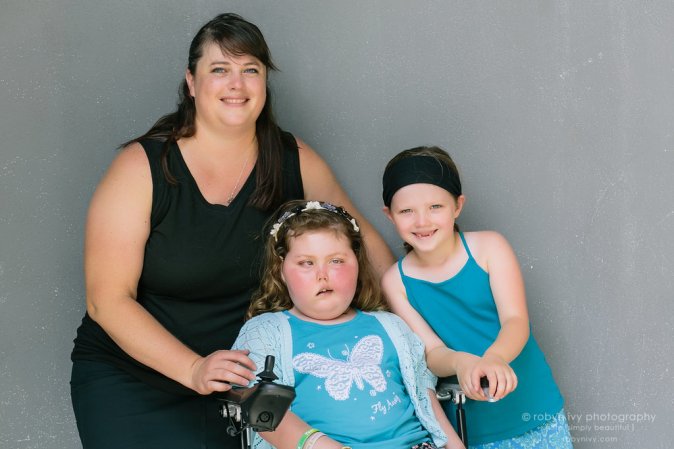 That night, Julianna also decided to start a foundation that would help other children battling DIPG. Whenever anyone gives her spending money, Julianna puts it straight into her project fund. “She loves to count it and talk about how she wants to tell her story to raise awareness and be other kids’ hope after she gets well,” says Stacie.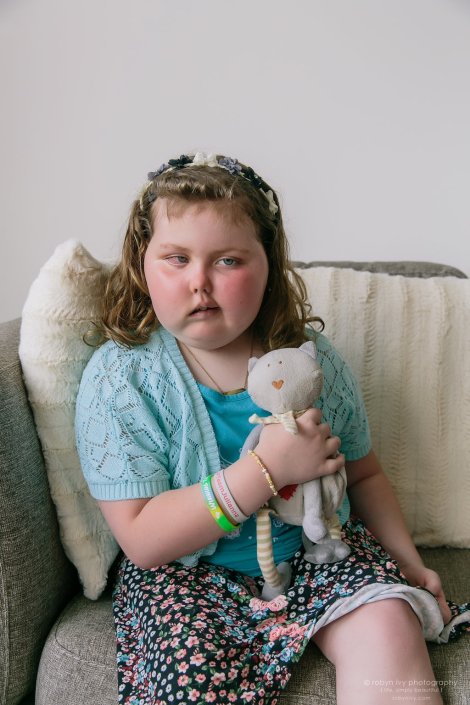


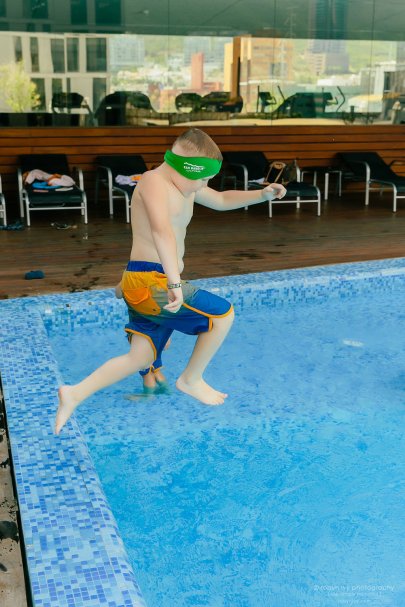 Splashing around in the water with his siblings at all is a huge accomplishment, considering where Luke was a couple of months ago. Lewis couldn’t understand why his brother wasn’t answering his requests to play or even talk with him, and Jenny described Luke as looking glassy-eyed and unresponsive. He was declining rapidly, and hope seemed far off.
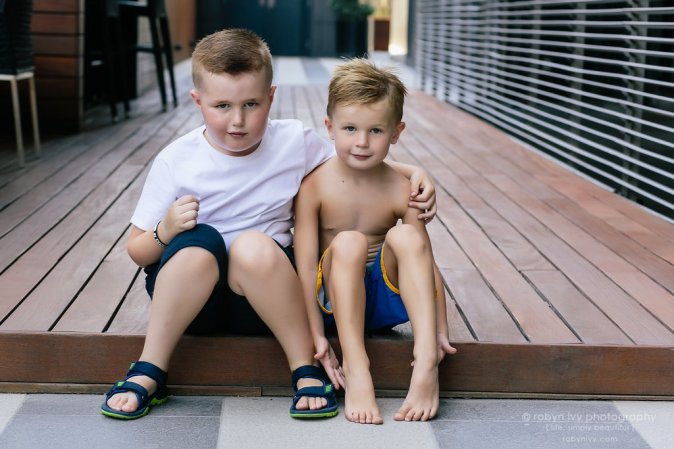 Jenny and Mark take Luke’s illness in stride with everything else thrown their way. They treat Luke the same as his siblings, and don’t panic over little setbacks, maintaining some much-needed normalcy in all of their lives. But don’t interpret that as a sign of their giving up: Jenny maintains a perpetual presence on social media, regularly posting pictures and updating Luke’s faithful followers on his progress, and she hunts down every available treatment option for her son. She’s an untiring, fearless constant in his life, aiming to ensure he has the best chance at beating this disease. “I wouldn’t be a mother if I didn’t do everything in my power,” Jenny says. “I’ll never give up trying to save him.”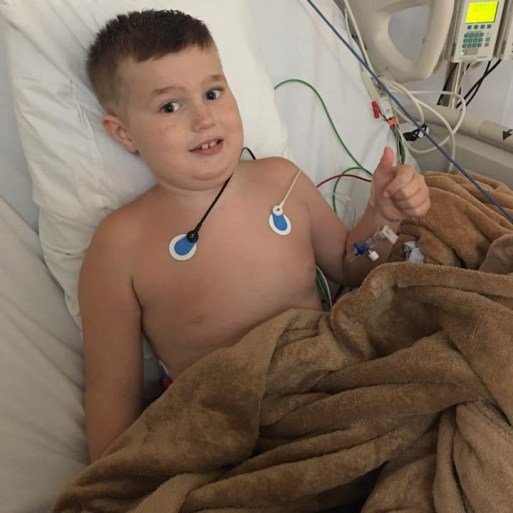

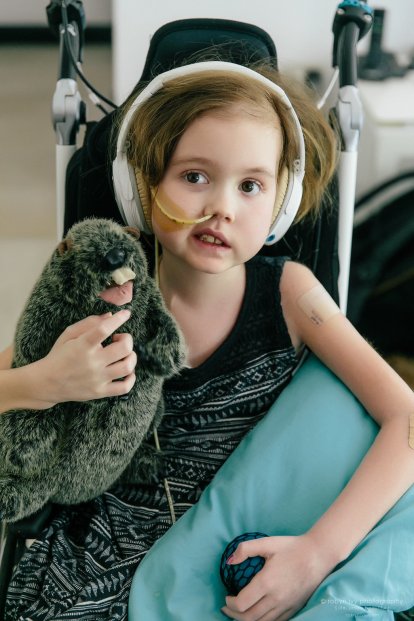 The first time I met Kira in person, she was visiting Rhode Island with her family—her Mama (my cousin, Jeni) and Pappa (Trond), and Kira’s brothers, August and Jasper.
 She never let anyone help her cross the street, insisting she could hold her own hand.
 She splashed her way through the fountains in Boston Commons and chatted with strangers on the T, informing them that she used to live in Bolivia and was moving to Ghana next. And she got temporarily separated from us as we exited the station.
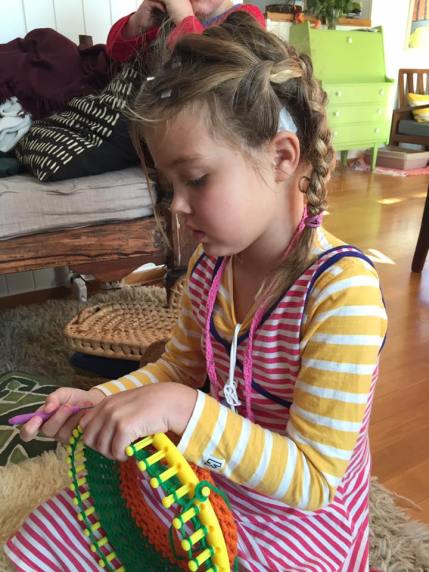 She had a brief “honeymoon period” after radiation, when her grandparents from Norway and Texas came to spend some time with Kira and the family. They picnicked near the fjords, went ice-skating, and made Kira’s favorite meal of sushi together.
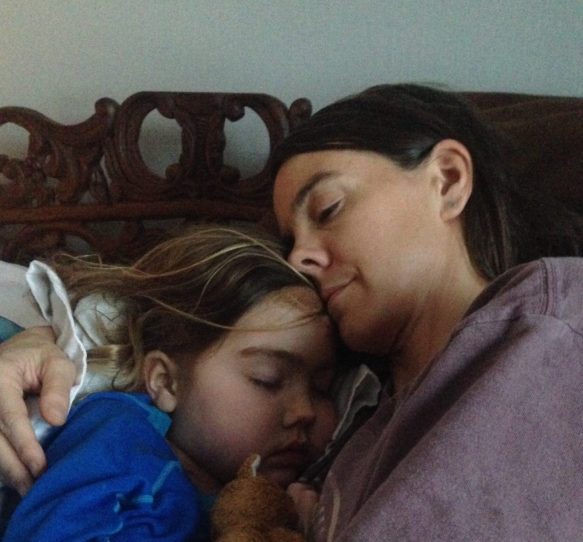 Then somehow, in this darkest hour, miraculously, Kira started very gradually regaining some of the functions she’d lost. She began to use her right hand again to form a half heart, made whole by Jeni, to tell her Mama she loved her. Over time, she started speaking a few words, and not long after, Kira was able to sit up and eat a couple bites of food, even joining the family at the table for Easter dinner.
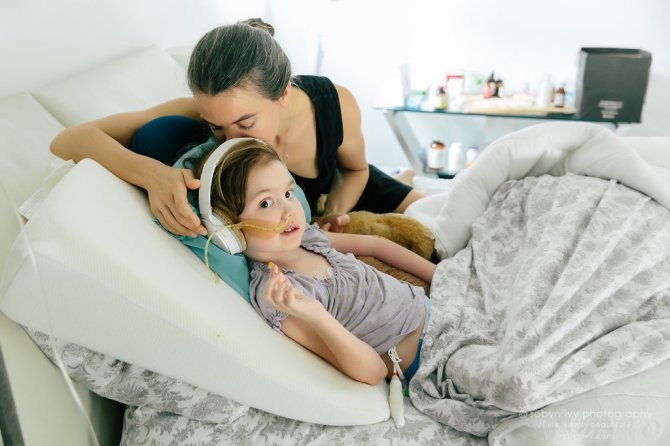 I went to Mexico in May when Jeni’s dad, who’d been down there helping them since they arrived, needed to return home to Texas for a few days. Even after my mother and my aunts had told me about their recent visits with Kira and I’d seen her pictures for months, nothing could have prepared me for the child who met me when I arrived.
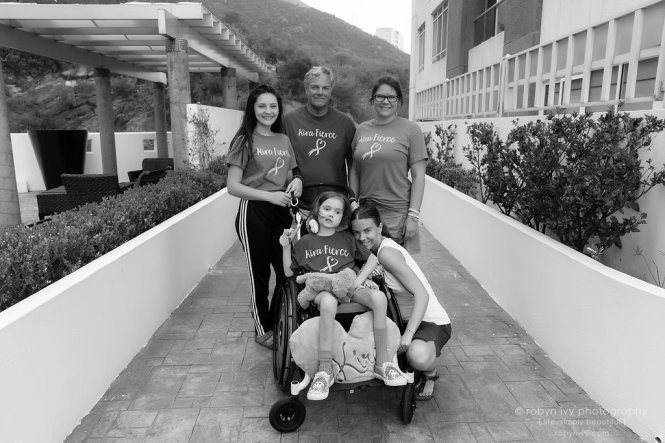 The next time, I came with Kira’s cousin, Lily. Though they’d not seen each other in nearly two years, the bond they shared retied itself as they fell back into their easy, comfortable closeness. Kira brushed Lily’s hair, told her she loved her (something normally reserved for Mama and Pappa), and pulled her close to whisper in her ear to please stop blowing kisses. “I don’t like kisses at all.”
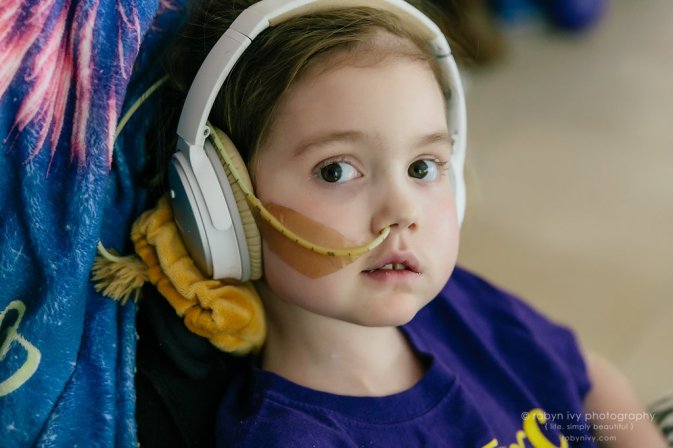 Kira’s now had five IA treatments. With each one, she gains a little more functioning. She can move her left arm and pull herself up to standing with assistance, her speech is becoming clearer and stronger, and her once broad vocabulary is returning.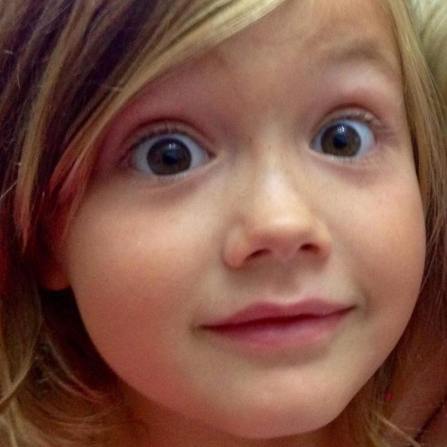
 If “pink” could name someone’s personality, surely it would be Kaleigh’s. With her sights set on someday becoming a princess, Kaleigh gets in lots of practice for her future position. She’s straightforward, yet gracious; determined, but considerate.
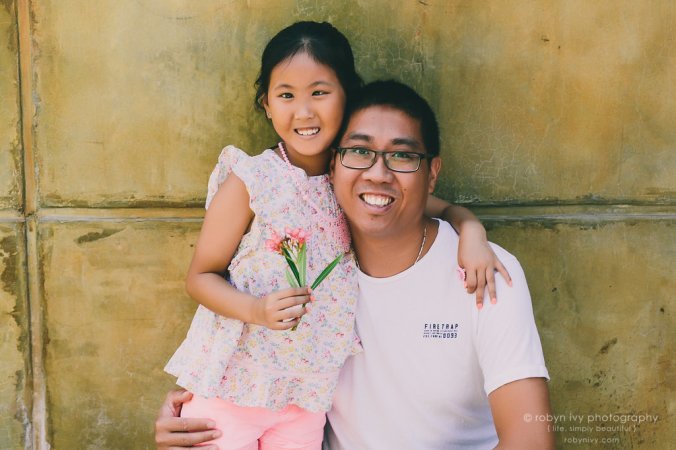 Apart from an inturned eye, Kaleigh appears completely healthy and vital. But not too long ago, her tumor was in progression.
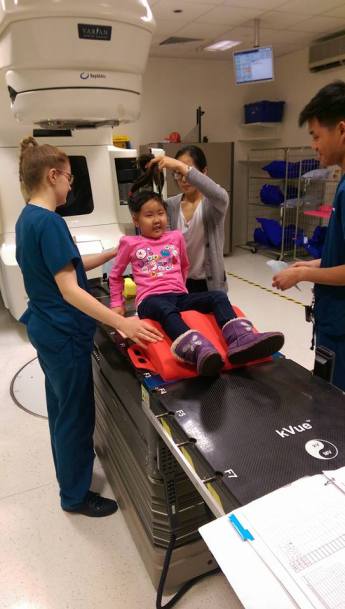 Kaleigh started radiotherapy on April 25th, 2016. She completed 30 sessions, followed by a long 7-month “honeymoon” period, after which her double vision returned. She underwent 10 more radiotherapy sessions starting in January of 2017, but her vision problems persisted, and some new symptoms started: her left hand got weaker, she began to stutter, her walking became unbalanced, and she developed regular headaches.
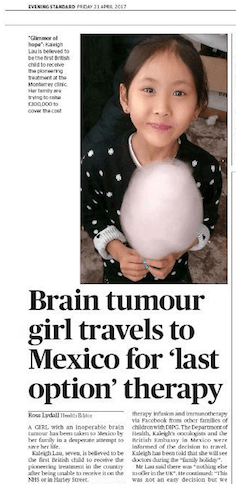 Kaleigh had her 5th IA and her 4th immunotherapy on July 3rd, after which they returned to London for a few weeks. Scott champions the treatment, crediting it for saving Kaleigh’s life, giving her back her personality, and helping her return to doing the things she loves, like the monkey bars. It’s not surprising that others have followed his lead and he’s become the Monterrey “cheerleader,” answering parents’ questions and helping connect families with local resources.
 Scott’s upbeat attitude is completely catching—he lives by his belief that happiness is the best medicine, which is why he insisted the whole family go to Mexico for Kaleigh’s treatments. His company has fortunately shown incredible support, allowing them to be together while Scott takes time off of work and Kaleigh continues to respond positively to this potentially life-saving therapy.
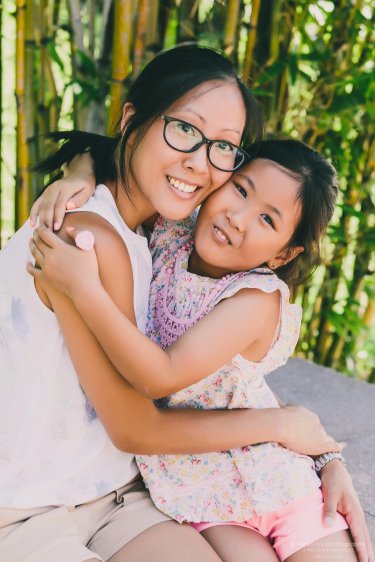 Between doctor’s appointments, blood draws, and treatments, they aim to enjoy their time there as if on holiday. They meet up with other families for swimming and to share meals, and Scott arranged for the families to attend the local Kidzania and Safari park at discounted price. This gives the families precious opportunity to connect with each other and fill up on encouragement that only people going through the same heartache can offer.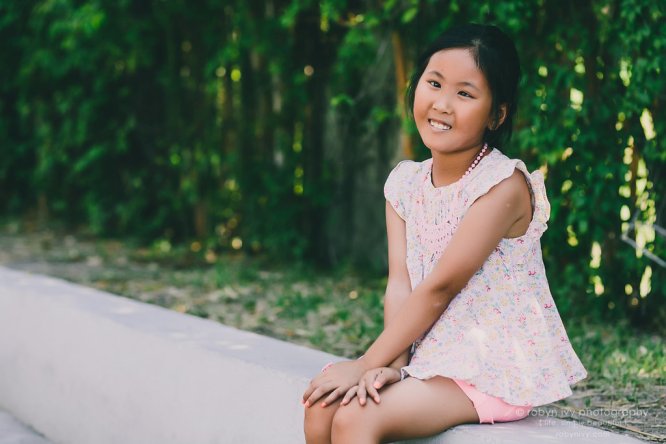
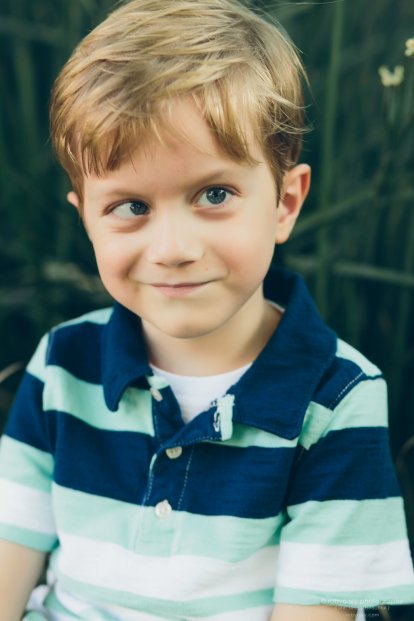
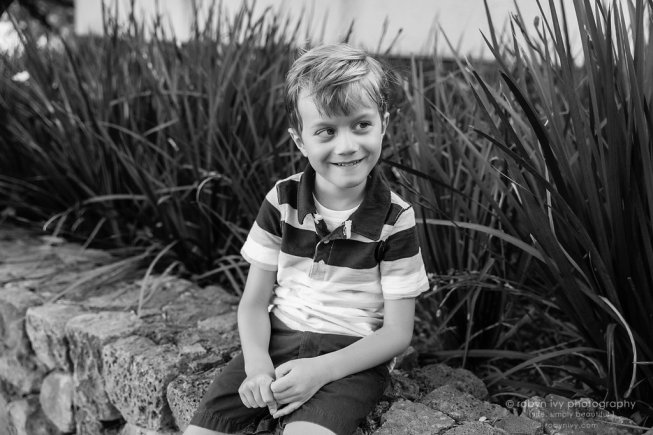 Hunter went back to school half-days part way through radiation, and after he completed treatment on March 9th, the family decided to enjoy the “honeymoon period”—a brief time during which children often have few symptoms after radiation and before progression begins. They went to Arizona for a couple weeks to see Krista’s parents, where Hunter enjoyed swimming in the pool, and they visited the Grand Canyon and Sedona.
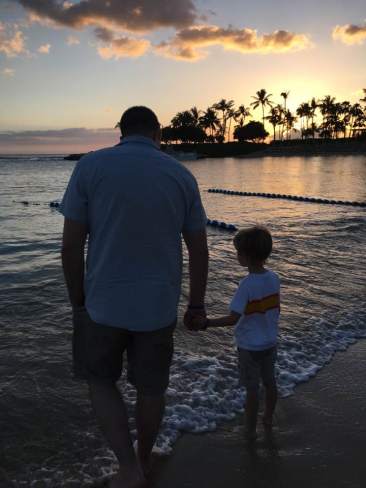 On their return from Hawaii, Krista contacted Mariana to schedule their trip to Monterrey in two weeks. However, “our universe cracked again” when Hunter—literally overnight—started having trouble swallowing, and the next day lost the use of his left side, and his speech became slow and slurred.
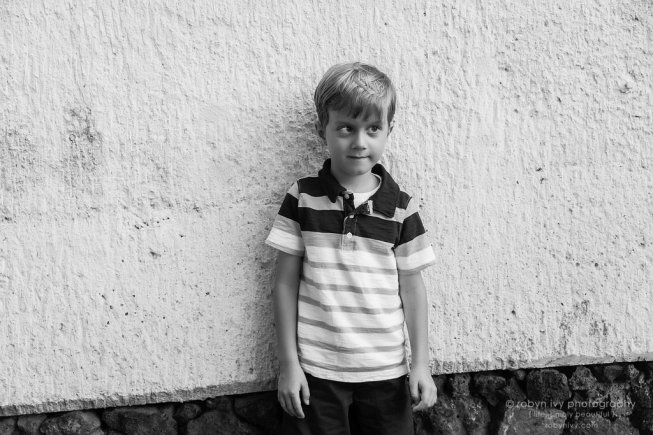 Hunter has had his own roller coaster of emotions, too. Fear and anxiety loom over his appointments and procedures, and he’s cried a few times, asking why he has to be different and have this “bump in his brain.” But he’s amazingly resilient, never complaining or saying no. He just asks when his appointments are.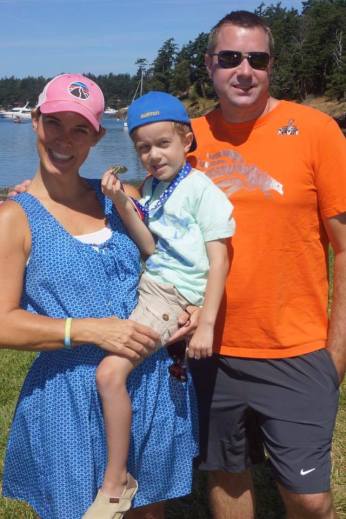
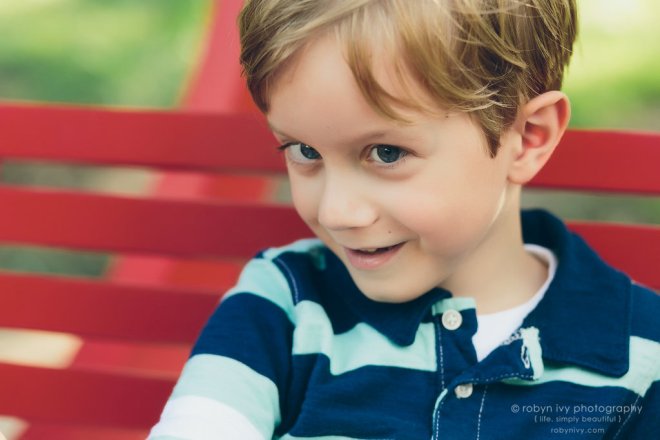 Now, instead of begging God to heal their child, they’re unraveling the answers to the question once asked of them.
 Ronil’s story is one of the hardest for me to write, maybe because I so clearly remember being 13, but more likely because of how he lives his life—with devastating beauty.
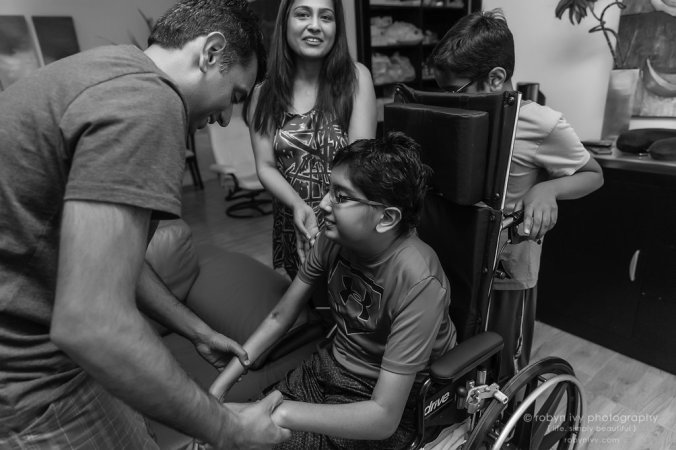 In January of 2016, Ronnie felt dizzy and collapsed unconscious on the floor while getting ready for school. An MRI showed he’d suffered two strokes due to a tumor in his brainstem. He fell into a coma, which he wasn’t expected to come out of. The doctors encouraged his parents Manisha and Milan to take Ronil off of life support, but they fought them, saying, “He will wake up.”
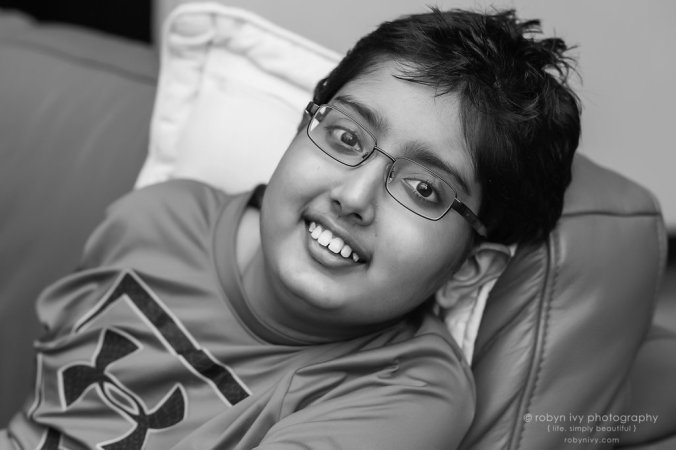 After the initial inflammation from radiation had settled by June, Ronnie was able to get around with a walker and eat by himself. He told his parents he wanted to walk, play basketball, and go to school again. His neuro-oncologist told his parents, “That’s not going to happen. He needs to aim lower.”
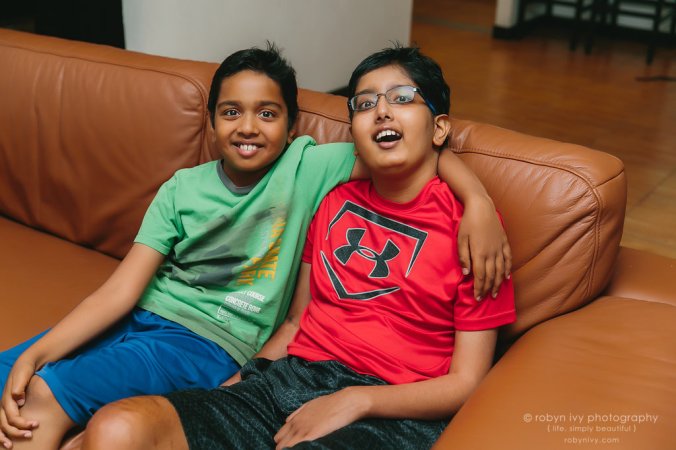 But in January of 2017, Ronnie started having trouble eating and walking, and a scan confirmed that he was in progression. He underwent emergency brain surgery to put in a shunt to treat hydrocephalus. Within the span of one week in February, he lost the ability to walk, stand, and talk. He completed 12 sessions of re-radiation at UCSF, and he also received immunotherapy, but these did little to restore his functions, as his tumor was still in progression.
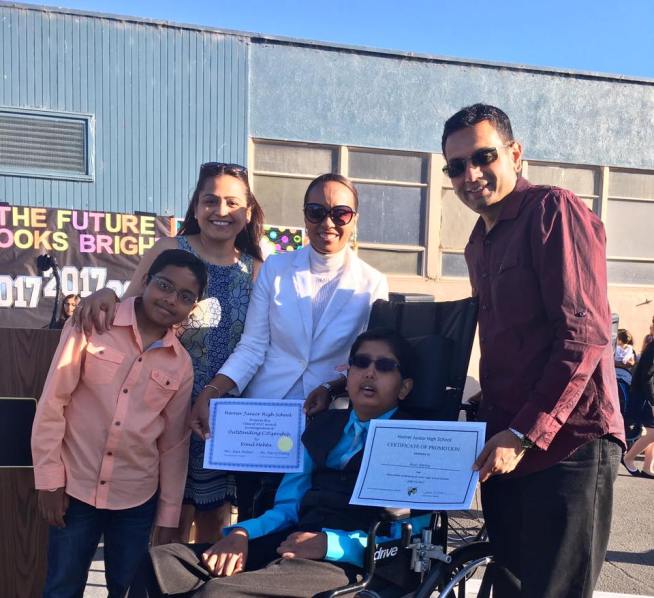 Ronnie’s 5th IA is scheduled for late July, after which they’ll go back home for a few weeks. In order to also receive the immunotherapy part of the treatment, Ronnie has to completely wean off of steroids. Manisha fears she may have moved too quickly when reducing his dose, as Ronnie lost the use of his right hand—one of the few things he could control—after coming off steroids. She weeps as she explains that even as she increased his dose again, he still can’t use that hand. The guilt she feels is suffocating.
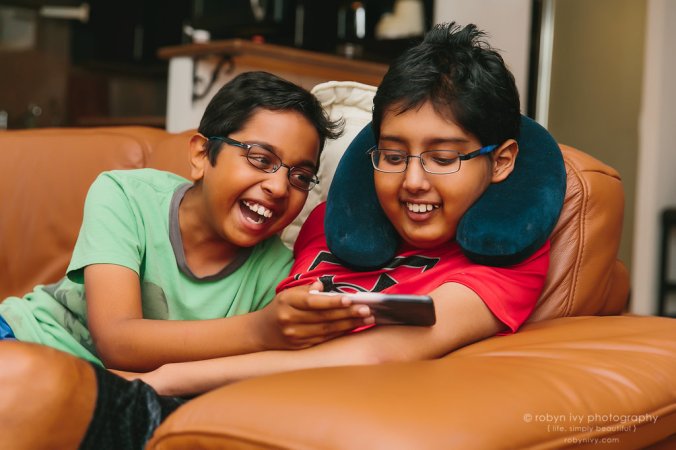 Ronil even inspired President Obama, who wrote him a personally signed letter from the White House where the president and first lady acknowledged his bravery and encouraged him to keep fighting.
 Sadly, on September 1st, 2018–the first day of Childhood Cancer Awareness Month–Ronil passed away. Your legacy lives on in everyone you knew and touched, Ronnie.


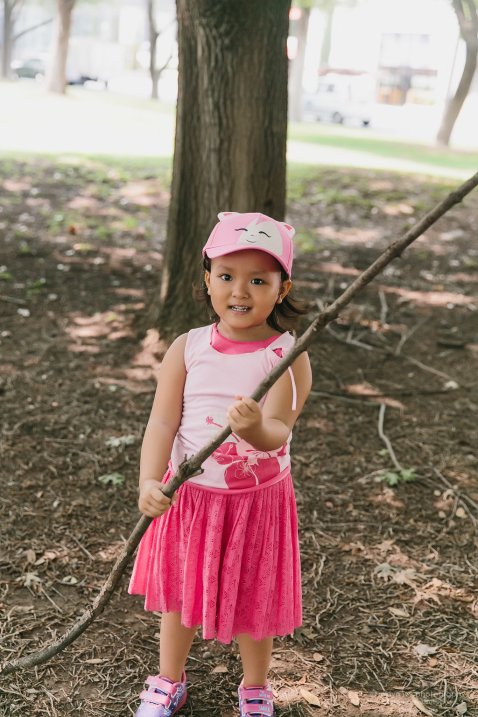
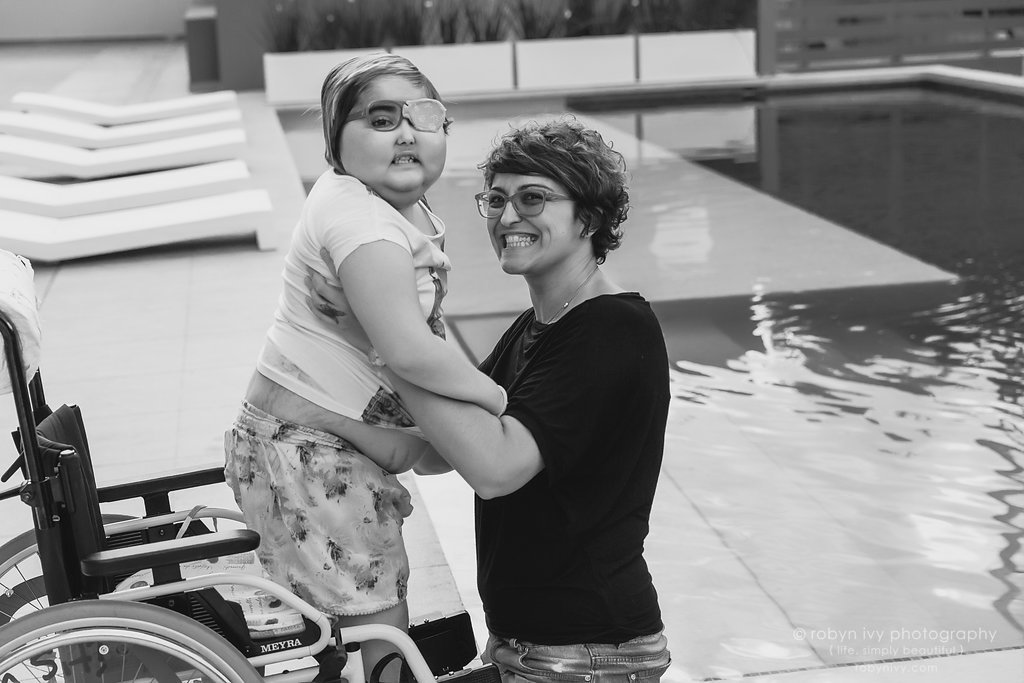
 It took some doing for us to find Andrea and her mamma Elena’s place in Monterrey (our Uber driver had a lot of patience), but as we finally entered the door to their apartment, our hearts simultaneously opened to each other. This type of thing doesn’t happen every day, but then again, it’s not that often people allow you into the most intimate corners of their lives.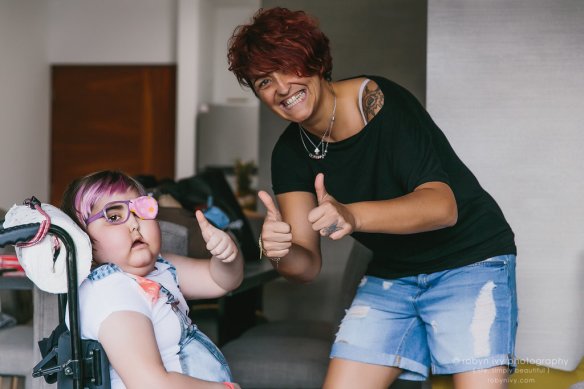
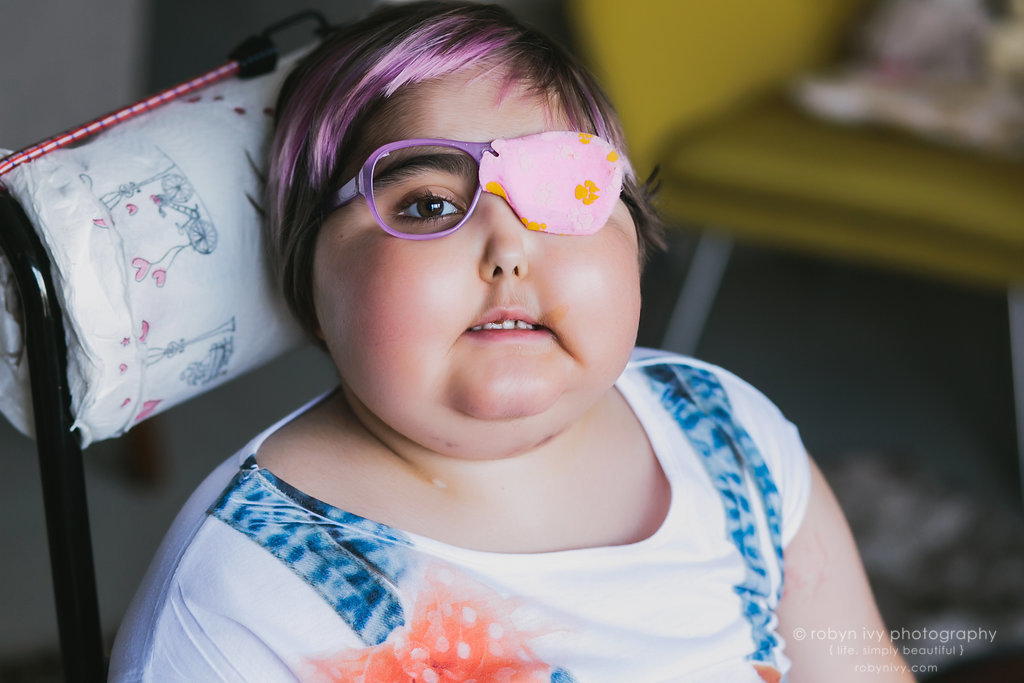
 With violet-tipped hair and purple-rimmed glasses, Anni epitomizes all things feminine. When presented with assorted cupcake-scented lipglosses, her entire being positively lit up. She adores her dog Simba, and she revels in a plate of meaty ribs. Anni dreams of owning a restaurant when she grows up, which she plans to call Un Pizzico d’Amore, A Pinch of Love. How fitting.

 Making DIPG History in Monterrey